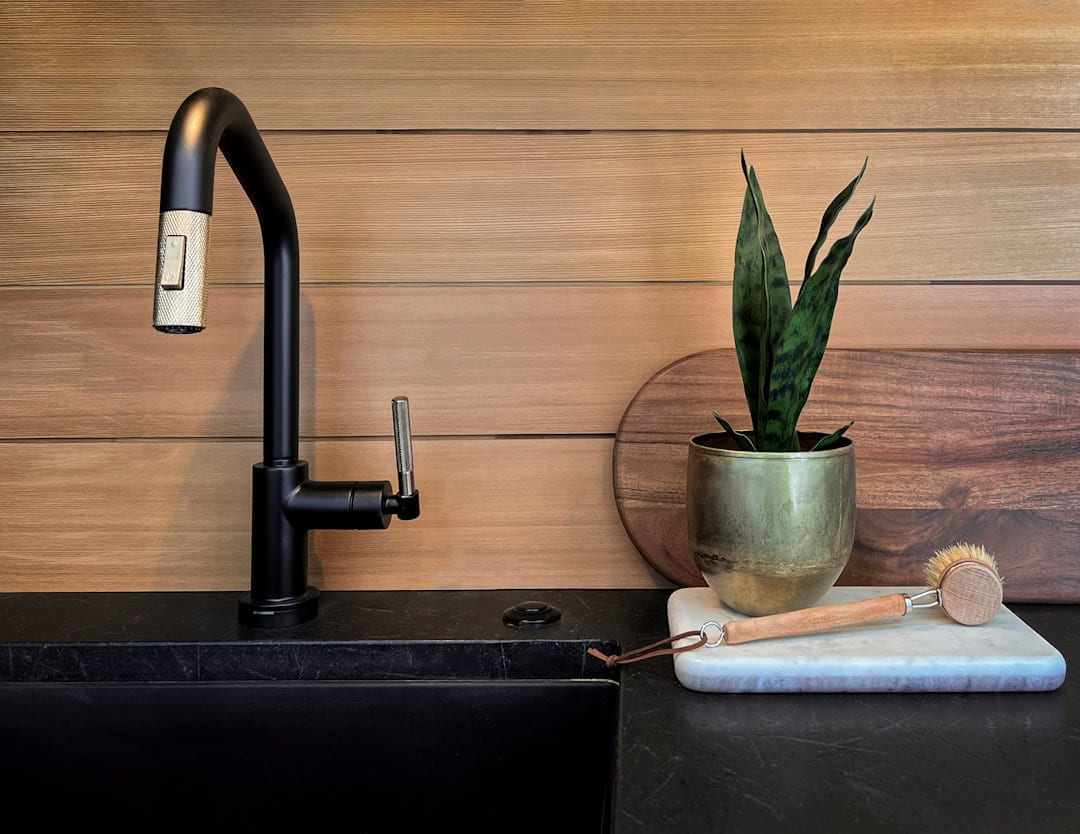
DIY Tips & Tricks can be easier to approach when you start with a few practical basics. Next, establish a realistic budget. Backsplash costs can vary dramatically. Ceramic tiles are generally the most affordable, followed by porcelain and glass. Stone tiles (like slate or travertine) are significantly more expensive. Factor in the cost of the adhesive, grout, sealant, tools (more on those later!), and any necessary underlayment. A good rule of thumb is to budget at least 10-15% of the total cost for unexpected issues or additional materials.
Practical Example: Let’s say you’re aiming for a modern farmhouse look. You might choose subway tiles in a muted gray or cream, paired with a contrasting dark grout. A budget of $300-$600 could cover the materials for a standard-sized kitchen backsplash, but a larger area or more intricate design could easily push that number higher.
1. Surface Preparation: The Foundation for Success (DIY Tips & Tricks)
This is arguably the most important step. A poorly prepared surface will lead to tile failure, regardless of how skilled you are. Here’s what you need to do:
- Clean Thoroughly: Remove all grease, dirt, and grime. Use a degreaser and scrub with a stiff brush.
- Leveling: Check for unevenness. Small imperfections can be addressed with self-leveling compound. Larger issues may require shimming or patching.
- Underlayment (Highly Recommended): Applying a thin layer of cement board (like HardieBacker) provides a stable, waterproof base, especially over drywall. This dramatically reduces the risk of cracking and bubbling.
- Prime: Apply a bonding primer specifically designed for tile. This ensures proper adhesion and helps prevent moisture from penetrating the wall.
2. Choosing Your Tiles and Grout: Matching the Look and Function
Tile selection is crucial. Consider the size, shape, and texture of the tiles. Larger tiles can create a more modern look and minimize grout lines, while smaller tiles offer more detail. Think about the durability of the tile - porcelain is more scratch-resistant than ceramic, and glass is more prone to chipping. Also, consider the grout color. Dark grout emphasizes the tile pattern, while light grout creates a more uniform look.
Grout Types: Cement-based grout is the most common and affordable option. Epoxy grout is more expensive but offers superior stain resistance, durability, and a wider range of colors. For wet areas, epoxy is highly recommended.
3. Installation: Step-by-Step Guide
Now for the fun part! Here’s a simplified breakdown of the installation process:
- Layout: Plan your tile layout. Start with a full tile in a corner to visualize the design. Use a level to ensure straight lines.
- Apply Adhesive: Use a notched trowel to apply the adhesive evenly to a small section of the wall. The notch size depends on the tile size - consult the adhesive manufacturer’s instructions.
- Set the Tiles: Press each tile firmly into the adhesive, ensuring it’s level and aligned with adjacent tiles. Use tile spacers to maintain consistent grout lines.
- Cut Tiles: Use a wet saw for clean, precise cuts. A tile nipper can be used for small adjustments.
- Grouting: After the adhesive has cured (usually 24-48 hours), apply the grout. Use a grout float to press the grout into the grout lines.
- Clean Up: Remove excess grout with a damp sponge. Rinse thoroughly.
- Sealant: Apply a tile sealant to protect the tile and grout from stains and moisture.
4. Essential Tools You’ll Need
Don’t underestimate the importance of having the right tools. Here’s a list of essentials:
- Notched Trowel: Different notch sizes for different tile sizes.
- Wet Saw: For making accurate tile cuts.
- Tile Nippers: For small adjustments and intricate cuts.
- Tile Spacers: To maintain consistent grout lines.
- Grout Float: For applying grout.
- Level: To ensure straight lines.
- Measuring Tape: For accurate measurements.
- Safety Glasses: Protect your eyes!
- Gloves: Protect your hands!
5. Common Mistakes and How to Avoid Them
Even experienced DIYers make mistakes. Here are a few common pitfalls to watch out for:
- Skipping Surface Prep: Seriously, don’t skip it!
- Applying Adhesive Too Thinly or Thickly: Follow the manufacturer’s instructions.
- Using the Wrong Tile Spacers: Inconsistent grout lines will look unprofessional.
- Not Cutting Tiles Accurately: Practice makes perfect!
- Rushing the Grouting Process: Take your time and ensure the grout is properly pressed into the lines.
6. Beyond the Basics: Adding Decorative Elements
A DIY backsplash project is a rewarding investment in your home. By following these best practices, you can achieve a beautiful and durable result that will enhance your kitchen or bathroom for years to come. Happy tiling!
Pick the easiest win first
Most people get better results with Backsplash Brilliance: DIY Tips & Tricks when they narrow the decision to one real problem. That could be saving time, trimming cost, reducing friction, or making the routine easier to keep up.
This usually gets easier once you make a short list of priorities. A tighter list tends to produce better decisions than trying to solve every possible problem at once.
Another useful filter is asking what you would still recommend if the budget got tighter, the schedule got busier, or the setup had to be easier for someone else to manage. The answers to that question usually reveal which advice is durable and which advice only works under ideal conditions.
The tradeoff most people notice late
One common mistake with Backsplash Brilliance: DIY Tips & Tricks is expecting every option to solve the whole problem. In reality, some choices are better for convenience, some for reliability, and some simply for keeping the budget under control.
Before spending more, it is worth checking the setup, upkeep, and learning curve. Small hassles matter here because they are usually what decide whether something stays useful or gets ignored.
It is easy to underestimate how much clarity comes from removing one unnecessary layer. In practice, trimming one complication often does more for Backsplash Brilliance: DIY Tips & Tricks than adding one more feature, one more product, or one more clever workaround.
What makes this easier to live with
The options that age well are usually the ones that are easy to repeat. Reliability and low hassle often matter more than the most impressive-looking feature list.
In a topic like Home improvement, manageable almost always beats impressive. If something is simple enough to keep using, it is usually doing more real work for you.
Readers usually get better results when they treat advice as something to test and refine, not something to obey perfectly. That mindset creates room for real judgment, which is often the difference between content that sounds smart and guidance that is actually useful.
How to avoid extra hassle
When you are deciding what to do next, aim for the option that reduces friction and gives you a clearer read on what matters most. That is usually how Backsplash Brilliance: DIY Tips & Tricks becomes more useful instead of more complicated.
Leave a little room to adjust as you go. A setup that works in one budget range, season, or routine might need a small change later, and that is usually normal rather than a sign you got it wrong.
If this topic still feels crowded or overcomplicated, that is usually a sign to narrow the decision, not a sign that you need more noise. One careful adjustment, followed by honest observation, tends to teach more than another round of abstract tips.
Keep This Practical
The best DIY upgrades are the ones you will still appreciate six months from now. Prioritize the project that improves function first, then let style follow with less guesswork.
Tools Worth A Look
If you are moving from ideas to an actual home project, the products below are the closest practical fit.
- HOOBRO Over The Toilet Storage, 3-Tier Bathroom Organizer Shelf Over ToiletDual Shower Heads Shower System with 16" Ceiling Mounted Rain Shower Head and 6" Wall Mounted HeadEUDELE 5-Pack Rustproof Stainless Steel Shower CaddyPink Tool Kit Box Drill Set:DEKOPRO Home Mechanic Toolbox with 12V Power Cordless Drill Hand Repair Tools Sets Combo Kits Storage Organizer Drawer CasePREXISO Wood Moisture Meter - 7 in 1Digital Moisture Meter for Firewood, Woodworking, Walls, Home, Drywall, Paper, Floor - Moisture Reader
Some of the links on this page are Amazon affiliate links, which means I may earn a small commission if you make a purchase through them. As an Amazon Associate, I earn from qualifying purchases.
Related ReadingMore from Hammer & Home
Backsplash Dreams: DIY vs. Easy Swaps
DIY vs. Easy Swaps can be easier to approach when you start with a few practical basics.
Backsplash Blues? DIY Fixes You Need
Ideas Troubleshooting - Hammer & Home DIY Backsplash Ideas Troubleshooting: Don’t Let Your Dream Turn into a Disaster So, you’re dreaming of a stunning, custom ba...
Backsplash Bliss: Step-by-Step DIY
Backsplash Bliss: Step-by-Step DIY breaks the project into more practical home-upgrade decisions so you can improve the space without overcomplicating the work.