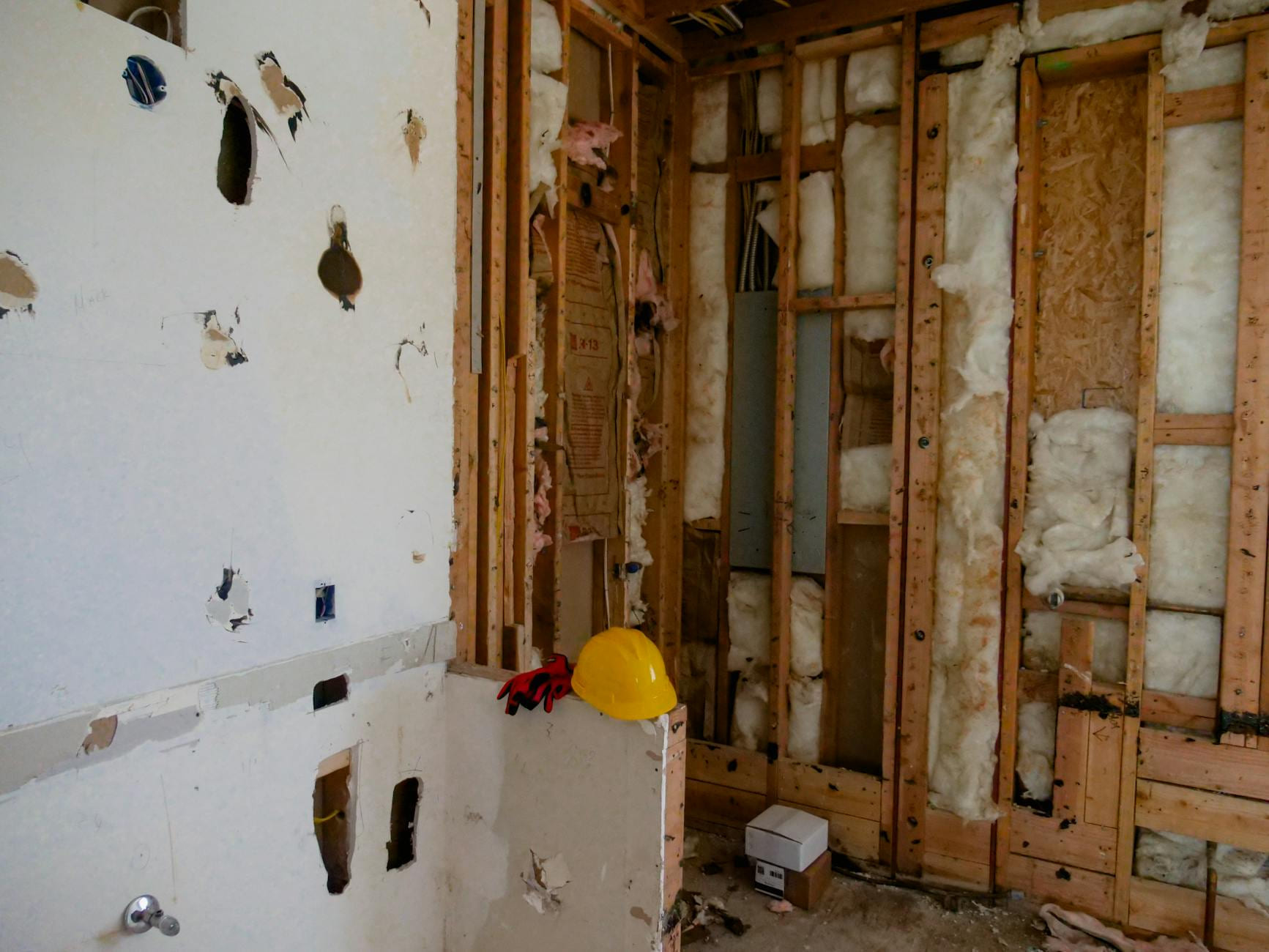
Let’s face it: sometimes a room just needs a refresh. A fresh coat of paint can help, but if you’re looking for something with a bit more character, a touch of rustic charm, or a serious upgrade in style, DIY shiplap walls might be exactly what you need. Shiplap, with its clean, horizontal lines and slightly recessed look, has exploded in popularity, and for good reason. It’s relatively easy to install, adds incredible texture to a space, and can dramatically transform a room’s overall feel. But where do you start? This guide from Hammer & Home will walk you through everything you need to know, from choosing your materials to achieving a professional-looking finish.
What is Shiplap and Why Do You Want It? (Shiplap Walls)
Shiplap is a type of wood siding that originated in colonial America. Originally used to protect homes from the elements, it’s now a hugely popular interior design trend. The key feature is the slight gap - the “shiplap” - between each board. This gap isn’t just for show; it allows for drainage and ventilation, historically crucial for preventing moisture buildup. Today, it’s primarily used for its aesthetic appeal, adding warmth, texture, and a touch of farmhouse or coastal style to any room.
Why do people love shiplap? It’s versatile! It works beautifully in:
- Living Rooms: Creates a cozy and inviting atmosphere.
- Bedrooms: Adds a rustic and calming vibe.
- Kitchens: Provides a stylish backdrop for open shelving or a focal point.
- Bathrooms: Introduces texture and character to a space.
Types of Shiplap: Real Wood vs. Alternatives
You have a few options when it comes to shiplap, each with its own pros and cons in terms of cost, installation difficulty, and overall look. Let's break them down:
- Real Wood Shiplap: This is the most authentic option, typically made from pine, cedar, or plywood. It offers the most realistic look and feel but is also the most expensive and requires more skill to install. Expect to pay anywhere from $15 - $40 per square foot, depending on the wood type and quality.
- Shiplap Boards (DIY): This involves purchasing individual wood boards (often pine) and installing them yourself, creating the shiplap effect. This is a popular choice for DIYers because it's more affordable (around $5 - $15 per board) and allows for customization in terms of width and spacing.
- Shiplap Panels: These are pre-cut, ready-to-install shiplap panels. They’re the easiest and fastest option, but also the least customizable. They typically cost $20 - $50 per panel.
- Shiplap Wallpaper/Wall Decals: For a super-easy, no-measure-required solution, shiplap-style wallpaper or wall decals are available. These are the cheapest option, usually under $30 for a roll or a set of decals.
Tools You’ll Need
Regardless of the shiplap type you choose, you’ll need some basic tools. Here’s a checklist:
- Measuring Tape
- Level
- Stud Finder
- Pencil
- Safety Glasses
- Dust Mask
- Hammer (for wood boards)
- Nail Gun (optional, but highly recommended for speed and ease)
- Caulk Gun
- Construction Adhesive (for panels or wood boards)
- Wood Filler (for filling nail holes)
- Sandpaper
Installation: Step-by-Step Guide (Using Wood Boards)
Let’s walk through the process of installing wood shiplap boards. This is the most involved method, but the results are worth it!
- Prepare the Wall: Clean the wall, patch any holes, and ensure it’s level.
- Locate Studs: Use a stud finder to mark the location of studs. Shiplap will be attached to the studs for stability.
- Start the First Row: Apply construction adhesive to the first board and position it along the bottom of the wall, ensuring it’s level. Secure it to the studs with nails.
- Install Subsequent Rows: Overlap each board by about 1/8” to create the characteristic shiplap gap. Again, use adhesive and nails to secure each board to the studs.
- Caulk the Seams: Once all the boards are installed, apply caulk to the seams between the boards to create a seamless look.
- Fill Nail Holes: Use wood filler to fill in any nail holes and sand smooth when dry.
- Finishing Touches: Sand the entire surface to create a smooth finish and apply paint or stain as desired.
Tips for a Professional Finish
Want your DIY shiplap to look like it came straight from a magazine? Here are a few tips:
- Consistent Spacing: Maintain a consistent gap between each board for a uniform look.
- Precise Leveling: Use a level frequently to ensure each row is perfectly horizontal.
- Overlap is Key: Don’t skimp on the overlap - it’s what creates the authentic shiplap appearance.
- Consider a Bead of Caulk: A clean bead of caulk along the seams will hide imperfections and create a polished look.
- Don’t Be Afraid to Stain or Paint: A well-chosen stain or paint color can dramatically enhance the shiplap’s impact.
Beyond the Basics: Creative Shiplap Ideas
Shiplap isn't just about replicating the classic look. Here are a few ways to get creative:
- Partial Shiplap: Instead of covering an entire wall, consider using shiplap as an accent wall.
- Shiplap Shelves: Build shelves using shiplap boards for a rustic and stylish storage solution.
- Shiplap Headboards: Create a stunning headboard for your bed using shiplap panels.
- Shiplap Wainscoting: Extend shiplap vertically to create wainscoting, adding height and character to a room.
Conclusion: Bringing the Charm Home
DIY shiplap wall treatments are a fantastic way to add character, warmth, and style to your home. Whether you choose real wood, pre-cut panels, or individual boards, the results can be truly stunning. With a little planning, the right tools, and a bit of elbow grease, you can transform your space into a beautiful and inviting haven. So, grab your hammer and get ready to bring the charm of shiplap into your home! Don’t hesitate to explore different styles and techniques to find what best suits your vision and budget. Happy hammering!
Keep This Practical
Home projects get more satisfying when the next step is realistic for your budget, time, and skill level. Choose one improvement you can finish cleanly instead of starting three at once.
Tools Worth A Look
The picks here are meant to support useful home improvements, not just impulse project shopping.
- BLUEAIR Blue Pure 511i Max Smart Air Purifier for Bedroom & Small Rooms up to 926 Sq Ft, HEPASilent Air CleanerHomeHacks 2 Pack Large Laundry Baskets, Waterproof, Freestanding Laundry Hampers, Collapsible Clothes HamperAmazon Smart Plug, Works with Alexa, Simple Setup, Endless PossibilitiesTESSAN Surge Protector Power Strip, 5 Ft Flat Plug Extension Cord with 3 USB (1 USB C) 8 Outlets, 1250W, 900J ProtectionOutlet Extender with Night Light, HANYCONY Multi Plug Outlet, USB Wall Charger Surge Protector 4 USB Ports(1 USB C), Power Strip
Some of the links on this page are Amazon affiliate links, which means I may earn a small commission if you make a purchase through them. As an Amazon Associate, I earn from qualifying purchases.
Related ReadingMore from Hammer & Home
Home Improvement Checklist: Your Project Prep
is easier to make sense of when you break it down into the part that matters most first. Instead of chasing every option at once, it usually helps to focus on what.
Home Improvement Tips for a Better Space
is easier to make sense of when you break it down into the part that matters most first. Instead of chasing every option at once, it usually helps to focus on what.
Budget Home Fixes That Really Work
Level Up Your Home Without Leveling Your Bank Account It’s 2026, and let’s be honest - wanting a home that feels a little more comfortable and stylish can.