Small Space DIY vs can be easier to approach when you start with a few practical basics.
DIY Projects for Small Spaces: Budget Tips to Maximize Your Home
Living in a small space doesn’t have to mean sacrificing style or functionality. In fact, it can be a fantastic opportunity to get creative and design a home that’s perfectly tailored to your needs. The biggest hurdle for many is often the perceived cost and complexity of home improvement projects. But the truth is, transforming your small space doesn’t require a huge budget or a lot of time. It’s about smart choices, resourceful repurposing, and a little bit of elbow grease. Let’s dive into some fantastic DIY projects and budget-friendly tips to help you maximize your home, no matter how compact it may be.
The Essential Toolkit - Starting Small and Smart (Small Space DIY vs)
Before you even think about a project, you’ll need a basic toolkit. Don’t go overboard - starting with the essentials will save you money and space. Here’s a rundown of the must-haves:
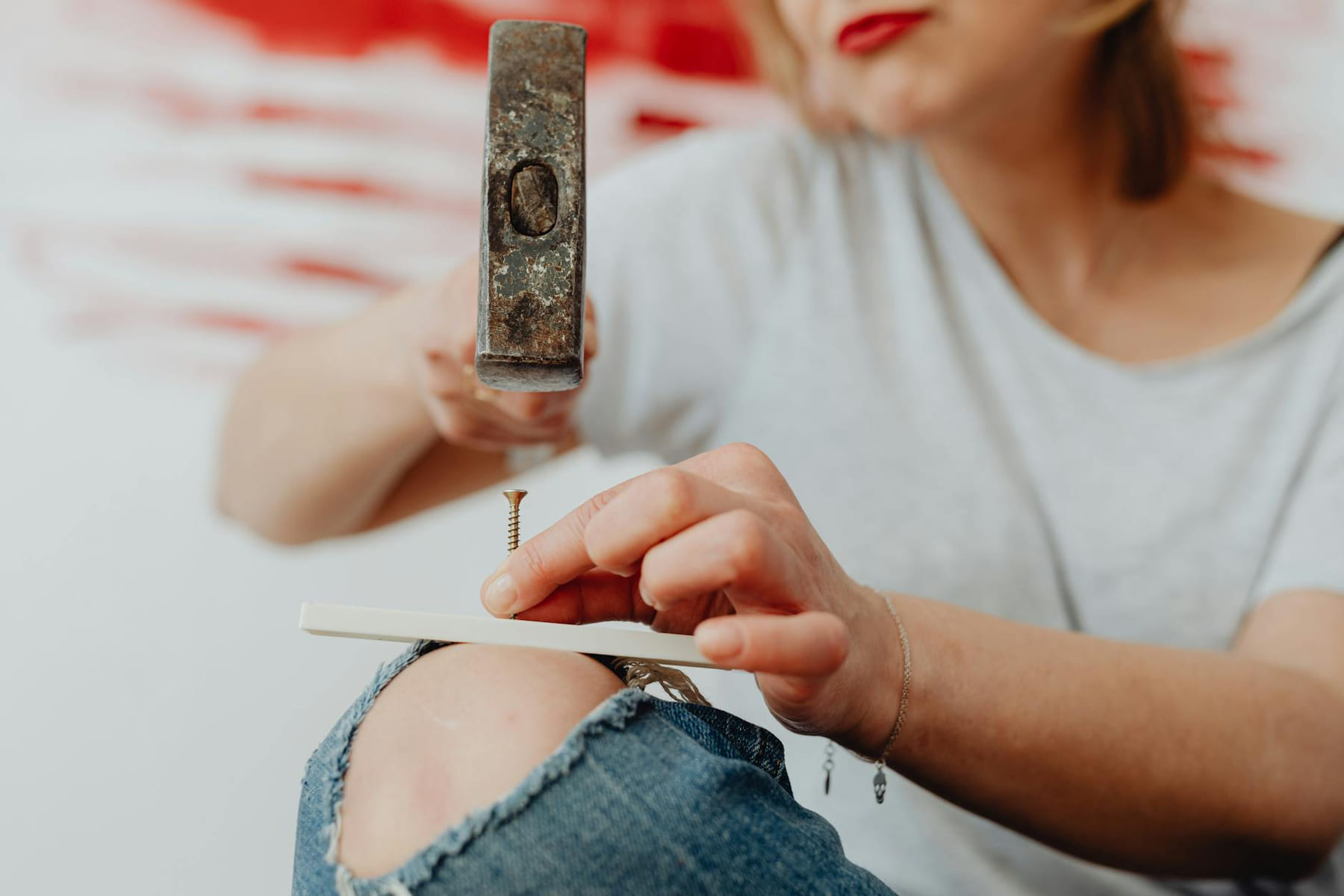
- Hammer: A basic claw hammer is a must-have for any DIYer. ($10-$20) - Look for a lightweight model for easier handling.
- Screwdriver Set: A set of Phillips and flathead screwdrivers is essential. ($10-$20) - Magnetic tips are a huge time-saver.
- Measuring Tape: Accurate measurements are crucial for any project. ($10-$20) - A flexible tape measure is ideal.
- Level: Ensuring things are straight is key to a professional look. ($5-$15)
- Utility Knife: For cutting drywall, fabric, and more. ($5-$10)
- Safety Glasses: Protect your eyes! ($5-$10)
- Work Gloves: Protect your hands. ($5-$15)
For inspiration and detailed plans, check out websites like Instructables () and Pinterest (). Remember to always prioritize safety - wear safety glasses and gloves when working on DIY projects.
Budget-Friendly DIY Projects for Small Spaces
1. Floating Shelves - Instant Storage
Floating shelves are a fantastic way to add storage and display space without taking up valuable floor area. You can build them yourself using inexpensive lumber (pine is a good choice) and brackets. A simple design can be completed in an afternoon. Cost: $30 - $60 (depending on the number of shelves and materials).
Tip: Look for reclaimed wood for a rustic, budget-friendly look. Check local salvage yards or online marketplaces.
2. Upcycled Ladder Bookshelf
An old wooden ladder can be transformed into a unique and eye-catching bookshelf. Sand it down, paint it, and add wooden planks to create shelves. This project is incredibly versatile and adds a touch of vintage charm. Cost: $20 - $40 (primarily for paint and wood planks).
Example: A vintage wooden ladder from a flea market can be painted a bright color and used to display plants, books, and decorative items.
3. DIY Wall Art - Personalize Your Space
Creating your own wall art is a cheap and easy way to add personality to your small space. Consider simple geometric patterns, abstract designs, or even framed fabric scraps. You can also create a gallery wall using inexpensive prints or photos. Cost: $10 - $30 (depending on materials).
Tip: Explore techniques like watercolor painting, collage, or even pressed flower art for unique and affordable pieces.
4. Under-Bed Storage Solutions
Maximizing vertical space is crucial in a small room. Utilize the space under your bed with simple storage bins or fabric drawers. These are easy to slide in and out and can hold everything from extra linens to off-season clothing. Cost: $20 - $50 (depending on the number and type of bins).
Practical Example: Clear plastic bins with lids are ideal for storing items you want to keep dust-free. Fabric drawers offer a more stylish option.
5. Pegboard Organization
Pegboards are incredibly versatile and can be used to organize everything from tools and craft supplies to jewelry and kitchen utensils. They’re relatively inexpensive and can be customized to fit your specific needs. Cost: $20 - $40 (including hooks and accessories).
Benefit: Pegboards create a visually appealing and functional storage system.
Utilizing Vertical Space - Thinking Upwards
In small spaces, going up is your friend. Don’t just think about floor space - consider the walls. Here are a few ideas:
- Tall, Narrow Bookshelves: Choose bookshelves that reach the ceiling to maximize storage.
- Wall-Mounted Mirrors: Mirrors create the illusion of more space and reflect light, making the room feel brighter.
- Over-the-Door Organizers: Perfect for storing shoes, toiletries, or cleaning supplies.
Multi-Functional Furniture - Smart Choices for Small Spaces
Investing in furniture that serves multiple purposes is essential for small spaces. Consider:
- Sofa Beds: Provide extra sleeping space for guests.
- Storage Ottomans: Offer seating and hidden storage.
- Folding Tables: Can be easily stored away when not in use.
- Nesting Tables: Provide extra surface space when needed and can be tucked away when not.
Pick the easiest win first
Most people get better results with Small Space DIY vs when they narrow the decision to one real problem. That could be saving time, trimming cost, reducing friction, or making the routine easier to keep up.
This usually gets easier once you make a short list of priorities. A tighter list tends to produce better decisions than trying to solve every possible problem at once.
Another useful filter is asking what you would still recommend if the budget got tighter, the schedule got busier, or the setup had to be easier for someone else to manage. The answers to that question usually reveal which advice is durable and which advice only works under ideal conditions.
The tradeoff most people notice late
One common mistake with Small Space DIY vs is expecting every option to solve the whole problem. In reality, some choices are better for convenience, some for reliability, and some simply for keeping the budget under control.
Before spending more, it is worth checking the setup, upkeep, and learning curve. Small hassles matter here because they are usually what decide whether something stays useful or gets ignored.
It is easy to underestimate how much clarity comes from removing one unnecessary layer. In practice, trimming one complication often does more for Small Space DIY vs than adding one more feature, one more product, or one more clever workaround.
Conclusion
Transforming your small space doesn’t require a huge budget or a lot of time. By focusing on repurposing, utilizing vertical space, investing in multi-functional furniture, and incorporating a few simple décor tricks, you can create a space that’s both stylish and functional. Start small, experiment with different ideas, and don’t be afraid to get your hands dirty. A little creativity and effort can go a long way in making your small space feel like home. Ready to get started? Check out our downloadable project guide for even more inspiration and step-by-step instructions! We’ve included detailed plans for several of the projects mentioned above, as well as additional ideas for maximizing space and minimizing clutter.
Keep This Practical
A useful home update should make the room easier to live in, not just better to photograph. Keep the next project practical, measurable, and easy to maintain after the excitement wears off.
Tools Worth A Look
These recommendations are most useful if you want tools, materials, or organizing help that support a cleaner DIY result.
- Evermagin 29" Coat Rack Wall Mount with Shelf, 4 in 1 Wall Mounted Coat and Key HangerBIGCOW Ultra-Slim Bidet Attachment for ToiletWall & Baseboard CleanerSR SUN RISE 12 Inch Brushed Gold Shower System, Wall-Mount Adjustable 16-Inch Slide Bar with 6-Function Hand Shower Faucet Included Valve and Trim KitHoneywell Allergen Plus™ 3-in-1 HEPA Air Purifier, Fan & Air Circulator, 1928 Ft² Rooms in 1 hour, Air Quality Sensor, Sleep Mode
Some of the links on this page are Amazon affiliate links, which means I may earn a small commission if you make a purchase through them. As an Amazon Associate, I earn from qualifying purchases.
Related ReadingMore from Hammer & Home
Small Space DIY: Clever Projects You Can Build
You Can Build can be easier to approach when you start with a few practical basics.
Small Space DIY: Fixing Common Problems
DIY Projects for Small Spaces Troubleshooting - Hammer & Home DIY Projects for Small Spaces Troubleshooting: Don't Let Your Dreams Crumble Let’s be honest.
Small Space DIY: Step-by-Step Projects
Tools You’ll Need: Drill, screwdriver, level, sandpaper, handsaw or circular saw. A little reminder: Seriously, don’t skip the wall anchors if you’re not drilling.