
Your Closet can be easier to approach when you start with a few practical basics.
- Donate: Clothes in good condition that you no longer wear. Local charities and shelters are always grateful.
- Sell: Higher-end items in excellent condition can be sold online or at consignment shops.
- Trash: Items that are stained, ripped, or simply beyond repair. A helpful tip: try the "one-year rule." If you haven’t worn something in the past year (and it’s not a seasonal item), it’s probably time to let it go. It’s easier to let go of something that’s been sitting untouched for a while. (I saw a great before-and-after photo online - a closet transformed from a disaster zone to a calm, organized space. It really hammered home the point of just starting with a clean sweep.)
Planning Your Attack: Measurements & Layout (Your Closet)
Once you’ve got rid of the excess, it’s time to get strategic. Don’t just start throwing things onto shelves. Accurate measurements are key. Grab a tape measure and get those closet dimensions - width, depth, and height. Note the height of your hanging rods and any existing shelves. Think about what you’re storing. Do you have a lot of long dresses? You’ll need more hanging space. Lots of shoes? Consider dedicated shoe storage solutions. Sketch out a rough plan. Simple diagrams can be incredibly helpful. Consider how you want to group your clothes - by type (shirts with shirts, pants with pants), by color, or by season. Generally, you’ll want to place frequently used items within easy reach. A little planning now will save you a lot of headaches later.
Budget-Friendly Organization - You Don’t Need to Spend a Fortune
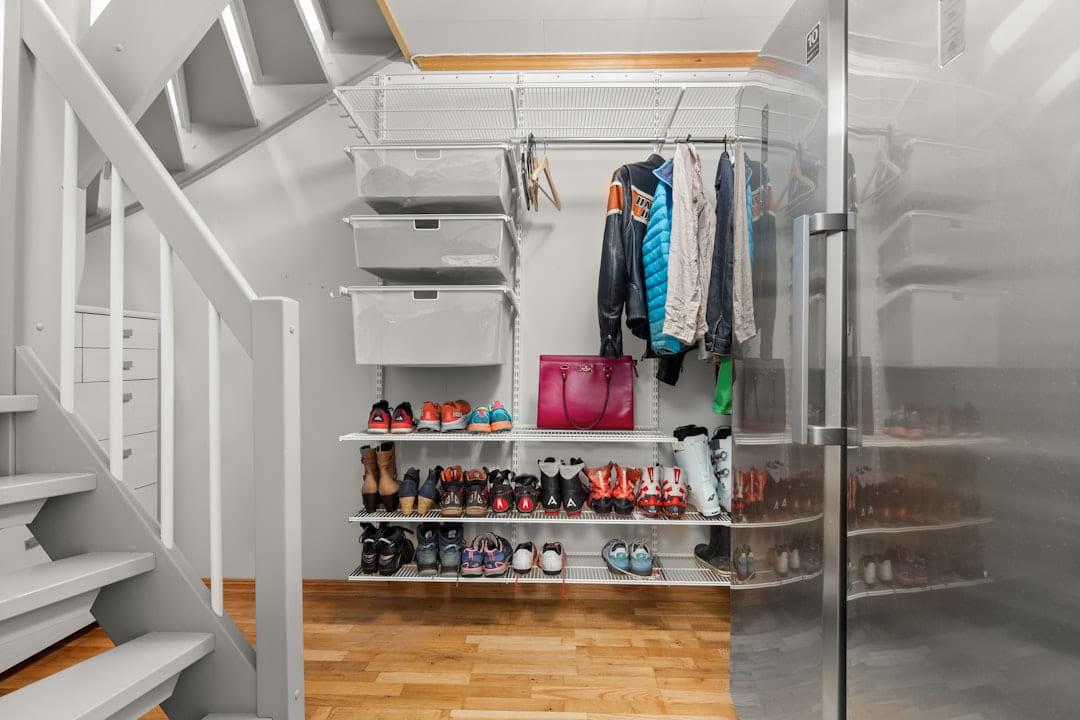
Okay, let’s be real. A completely new closet system can be expensive. The good news is you can achieve a fantastic organized closet on a budget. Reclaimed wood is your friend. You can build simple, rustic shelves for a fraction of the cost of store-bought ones. Repurposed crates can work brilliantly for storing shoes or folded sweaters. Wire shelving is also a super affordable option - it’s lightweight, easy to install, and provides good visibility. You can usually find basic wire shelving units at The Container Store or Wayfair for around $50-$100, depending on size and configuration. Hangers make a huge difference too. Slim velvet hangers are a game-changer - they save space and prevent clothes from slipping. Multi-tiered hangers are great for maximizing hanging space, especially for skirts and pants. And cascading hangers - those that hang multiple items vertically - are brilliant for scarves and ties.
Getting Organized: Drawer Tactics, Shoes & Accessories
Now let’s talk specifics. Drawer organization is where a lot of closets fail. Don’t just toss everything in! Invest in drawer dividers to create separate compartments for socks, underwear, and accessories. Rolling carts can be fantastic for storing folded sweaters or t-shirts. Fabric drawer organizers are also a nice touch - they add a bit of style and keep things tidy. Shoe storage can be a real challenge. Over-the-door organizers are surprisingly effective, providing a ton of vertical space. Slanted shelves are great for displaying shoes and keeping them visible. Clear shoe boxes are essential for keeping your collection protected and easily identifiable. Little accessories like drawer inserts for jewelry and hanging organizers for belts and scarves can really pull everything together.
Beyond the Basics: Vertical Space & Lighting
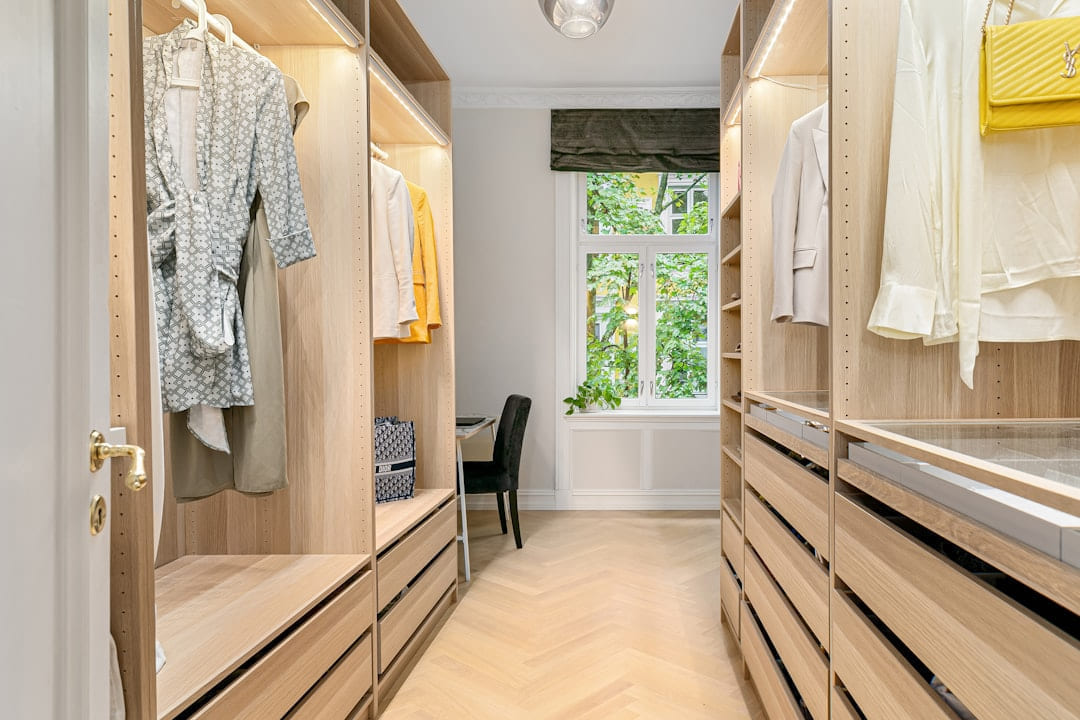
Don’t stop at shelves and drawers! Think vertically. Stackable bins are great for storing out-of-season clothes or accessories. Over-the-door organizers can be used for more than just shoes - they’re perfect for storing cleaning supplies or toiletries. Adjustable shelving allows you to customize the space to your needs. And let’s not forget lighting. Adding LED strip lighting under shelves or inside the closet can dramatically improve visibility and create a more inviting space. It doesn’t have to be expensive - you can find affordable LED strips at most hardware stores.
Maintaining Your Zen Zone
Finally, remember that organization isn’t a one-time event. It’s an ongoing process. Take a few minutes each week to tidy up your closet, put things back where they belong, and declutter any items you’re no longer using. Establishing these small habits will help you maintain a calm, organized closet for the long term. Ready to transform your closet? Let’s start with the decluttering.
Focus on the part that solves the problem
In a topic like Home improvement, the strongest starting point is usually the one you will notice and use right away. That is often more helpful than adding extra features too early.
Before spending more, it is worth checking the setup, upkeep, and learning curve. Small hassles matter here because they are usually what decide whether something stays useful or gets ignored.
It is easy to underestimate how much clarity comes from removing one unnecessary layer. In practice, trimming one complication often does more for Taming Your Closet: A Simple Guide than adding one more feature, one more product, or one more clever workaround.
Where extra features get in the way
Another easy trap is copying a setup that made sense for someone with a different routine, budget, or tolerance for maintenance. In Home improvement, that mismatch is often what makes a promising idea feel frustrating later.
A lot of options sound great until you picture them in a normal week. If the setup is fussy, the routine is easy to forget, or the maintenance is annoying, the appeal fades quickly.
There is also value in keeping one part of the process deliberately simple. Readers often do better when they identify the one decision that carries the most weight and make that choice carefully before they chase smaller optimizations. That keeps momentum steady and usually prevents the topic from turning into clutter.
What makes the choice hold up
A better approach is to break Taming Your Closet: A Simple Guide into smaller decisions and solve the highest-friction part first. Testing one practical change usually teaches more than trying to perfect everything in a single pass.
Leave a little room to adjust as you go. A setup that works in one budget range, season, or routine might need a small change later, and that is usually normal rather than a sign you got it wrong.
If this topic still feels crowded or overcomplicated, that is usually a sign to narrow the decision, not a sign that you need more noise. One careful adjustment, followed by honest observation, tends to teach more than another round of abstract tips.
How to keep the routine manageable
A grounded next step is usually better than a dramatic one. Pick one realistic change, see how it works in normal life, and let that result guide the next decision.
The version that holds up best is usually the one you can live with on an ordinary day. That often matters more than the version that only feels good when you have extra time, energy, or money.
That is why the best next step is often a modest one with a clear upside. You want something specific enough to act on, flexible enough to adjust, and practical enough that you would still recommend it after the first burst of enthusiasm fades.
Keep This Practical
A useful home update should make the room easier to live in, not just better to photograph. Keep the next project practical, measurable, and easy to maintain after the excitement wears off.
Tools Worth A Look
These recommendations are most useful if you want tools, materials, or organizing help that support a cleaner DIY result.
- ALORAIR Air Scrubber Professional 3-Stage Filtration Negative Machine Air PurifierPREXISO Wood Moisture Meter - 7 in 1Digital Moisture Meter for Firewood, Woodworking, Walls, Home, Drywall, Paper, Floor - Moisture Reader8-In-1 Multi Blades Hand Saw, Drywall CutterTuffenough Solar Outdoor Lights 2500LM 210 LED Security Lights with Remote Control,3 Heads Motion Sensor Lights, IP65 Waterproof,270° Wide AngleEUDELE 5-Pack Rustproof Stainless Steel Shower Caddy
Some of the links on this page are Amazon affiliate links, which means I may earn a small commission if you make a purchase through them. As an Amazon Associate, I earn from qualifying purchases.
Related ReadingMore from Hammer & Home
Organize Your Closet: A Step-by-Step Guide
Step-by-Step Guide can be easier to approach when you start with a few practical basics. --- Hammer & Home: DIY Closet Organization Step by Step Let’s be honest.
Organize Your Closet: A Practical Guide
Organization Checklist - Hammer & Home DIY Closet Organization Checklist: Transform Your Chaos into Calm Let’s be honest, most of us have closets that resemble.
Closet Chaos? Avoid These DIY Errors
Closet Chaos? Avoid These DIY Errors offers a clearer, more practical take on diy closet so readers can make the next move with less confusion and more confidence.