
Let’s be honest, most of us have a closet that resembles a black hole. Clothes disappear, shoes multiply, and finding anything you actually want to wear feels like an archaeological dig. But it doesn’t have to be this way! DIY closet organization doesn’t require a degree in interior design or a massive budget. With a little planning and some elbow grease, you can create a functional and beautiful closet that makes getting dressed a joy, not a battle.
The Great Purge - Be Ruthless! (for Beginners)
Before you even think about organizing, you need to declutter. This is arguably the most important step, and it’s often the hardest. Don’t just shove things into boxes and hide them in the attic. Be honest with yourself about what you actually wear and love. Here’s a simple method:
- The Four Pile Method: Create four piles: “Keep,” “Donate,” “Trash,” and “Maybe.”
- The Keep Pile: These are the items you wear regularly, that fit well, and that you genuinely love.
- The Donate Pile: Items in good condition that you no longer wear. Think about donating to charities, shelters, or organizations that help people in need.
- The Trash Pile: Items that are damaged beyond repair, stained, or simply worn out.
- The Maybe Pile: Be *very* strict with this pile. If you haven’t worn something in a year (and it’s not a special occasion item), it probably doesn’t deserve a place in your closet. Put it in a box labeled “Re-evaluate in 6 months.” If you haven’t missed it by then, donate it.
Practical Example: Let’s say you have ten sweaters. Three are itchy and you’ve never worn them. Two are too small. One is stained. The remaining four are comfortable, stylish, and you wear regularly. That’s your “Keep” pile.
Assess Your Space & Gather Supplies
Now that you’ve cleared out the clutter, it’s time to take a good look at your closet. Measure the shelves, drawers, and hanging space. Understanding the dimensions will help you choose the right organizers.
Here’s a list of supplies you’ll likely need:
- Measuring Tape: Crucial for planning!
- Level: Ensures shelves are straight.
- Screwdriver/Drill: Depending on your hanging system.
- Hooks: Over-the-door hooks, wall hooks, and shelf hooks are all great options.
- Shelf Dividers: Keep stacks of clothes neat and prevent them from toppling over.
- Baskets & Bins: Perfect for corralling smaller items like scarves, hats, and socks.
- Hangers: Invest in quality hangers - slim velvet hangers save space and prevent clothes from slipping.
- Clear Storage Boxes: Ideal for storing out-of-season clothing or accessories.
Maximize Vertical Space
Closet space is often limited, so utilizing vertical space is key. Don’t just hang clothes on the rod; think upwards!
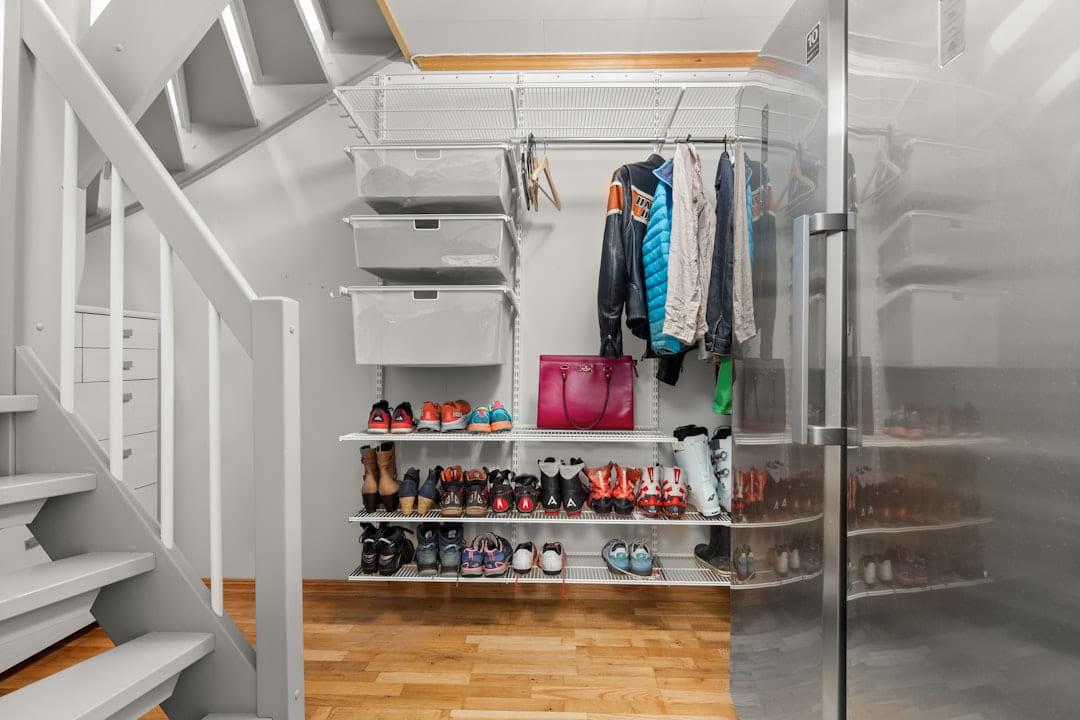
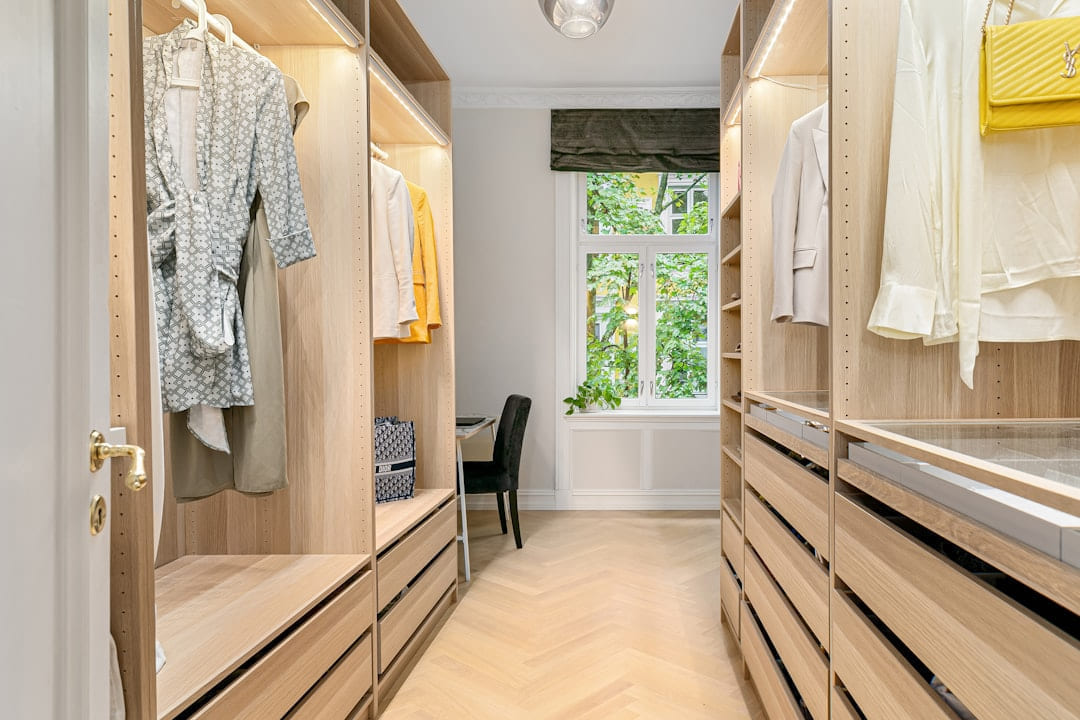
- Double Hang Rods: If you have tall hanging space, install a second rod to double your hanging capacity.
- Shelf Above the Rod: Add a shelf above the hanging rod for storing folded sweaters, jeans, or handbags.
- Stackable Shelves: These are fantastic for creating tiered storage and maximizing space on existing shelves.
Categorize and Conquer
Once you’ve added organizers, it’s time to group your clothes by category. This makes it easier to find what you’re looking for and keeps your closet looking tidy.
Common Categories:
- Tops: Short-sleeved shirts, long-sleeved shirts, blouses
- Bottoms: Jeans, pants, skirts, shorts
- Dresses: Casual dresses, formal dresses
- Outerwear: Jackets, coats
- Accessories: Scarves, hats, belts, jewelry
Within each category, further organize by color or style. For example, within your “Tops” category, you might group all your blue shirts together, or all your button-down shirts.
Hanging vs. Folding - The Right Technique
How you store your clothes can make a huge difference in how organized your closet looks. Hanging is generally better for items that wrinkle easily, like dresses and blouses. Folding is ideal for items that don’t wrinkle, like t-shirts, sweaters, and jeans.
Folding Tips: Use the KonMari method for folding clothes to maximize space and keep them neatly stacked. (There are tons of great tutorials on YouTube for this!)
Seasonal Storage & Out-of-Season Items
Don’t keep all your clothes out year-round. Store out-of-season items in clear storage boxes labeled with the season and contents. This frees up valuable space in your closet and makes it easier to find what you need when the weather changes.
Pro Tip: Rotate your wardrobe seasonally. When you pack away your winter clothes, bring out your summer clothes. This keeps your closet feeling fresh and prevents you from having to dig through piles of clothes every time you want to update your wardrobe.
Beyond the Basics: Personalizing Your Closet
Once you’ve tackled the basics, you can add some personal touches to make your closet a space you love. Consider adding a mirror, a small rug, or some decorative baskets. Lighting can also make a big difference - a battery-operated LED strip can brighten up a dark closet.
Remember, organization is an ongoing process. Take a few minutes each week to tidy up your closet and put things back in their place. With a little effort, you can transform your closet from a source of stress into a space of calm and inspiration.
Start with what you will actually use
With Organize Your Closet: Easy DIY for Beginners, the first question is usually not which option looks best on paper. It is which part will make day-to-day life easier, smoother, or cheaper once the novelty wears off.
A lot of options sound great until you picture them in a normal week. If the setup is fussy, the routine is easy to forget, or the maintenance is annoying, the appeal fades quickly.
There is also value in keeping one part of the process deliberately simple. Readers often do better when they identify the one decision that carries the most weight and make that choice carefully before they chase smaller optimizations. That keeps momentum steady and usually prevents the topic from turning into clutter.
What tends to get overlooked
Tradeoffs are normal here. Cost, convenience, upkeep, and flexibility do not always line up neatly, so it helps to decide which tradeoff matters least to you before you commit.
This usually gets easier once you make a short list of priorities. A tighter list tends to produce better decisions than trying to solve every possible problem at once.
Another useful filter is asking what you would still recommend if the budget got tighter, the schedule got busier, or the setup had to be easier for someone else to manage. The answers to that question usually reveal which advice is durable and which advice only works under ideal conditions.
Keep This Practical
A useful home update should make the room easier to live in, not just better to photograph. Keep the next project practical, measurable, and easy to maintain after the excitement wears off.
Tools Worth A Look
These recommendations are most useful if you want tools, materials, or organizing help that support a cleaner DIY result.
- Bluevua RO100ROPOT Countertop Reverse Osmosis Water Filter SystemLaser Level Line Tool, Multipurpose Laser Level Kit Standard Cross Line Laser leveler Beam Tool with Metric Rulers 8ft/2.5M for Picture HangingHOTO Electric Screwdriver Kit, Upgraded 1/4'' Hex 25 Bits, Magnetic Lid, RechargeablePink Tool Kit Box Drill Set:DEKOPRO Home Mechanic Toolbox with 12V Power Cordless Drill Hand Repair Tools Sets Combo Kits Storage Organizer Drawer CaseDwersty One Way Daytime Window Privacy Film See Out Not in, Window Tint
Some of the links on this page are Amazon affiliate links, which means I may earn a small commission if you make a purchase through them. As an Amazon Associate, I earn from qualifying purchases.
Related ReadingMore from Hammer & Home
Organize Your Closet: A Step-by-Step Guide
Step-by-Step Guide can be easier to approach when you start with a few practical basics. --- Hammer & Home: DIY Closet Organization Step by Step Let’s be honest.
Organize Your Closet: A Practical Guide
Organization Checklist - Hammer & Home DIY Closet Organization Checklist: Transform Your Chaos into Calm Let’s be honest, most of us have closets that resemble.
Closet Chaos? Avoid These DIY Errors
Closet Chaos? Avoid These DIY Errors offers a clearer, more practical take on diy closet so readers can make the next move with less confusion and more confidence.