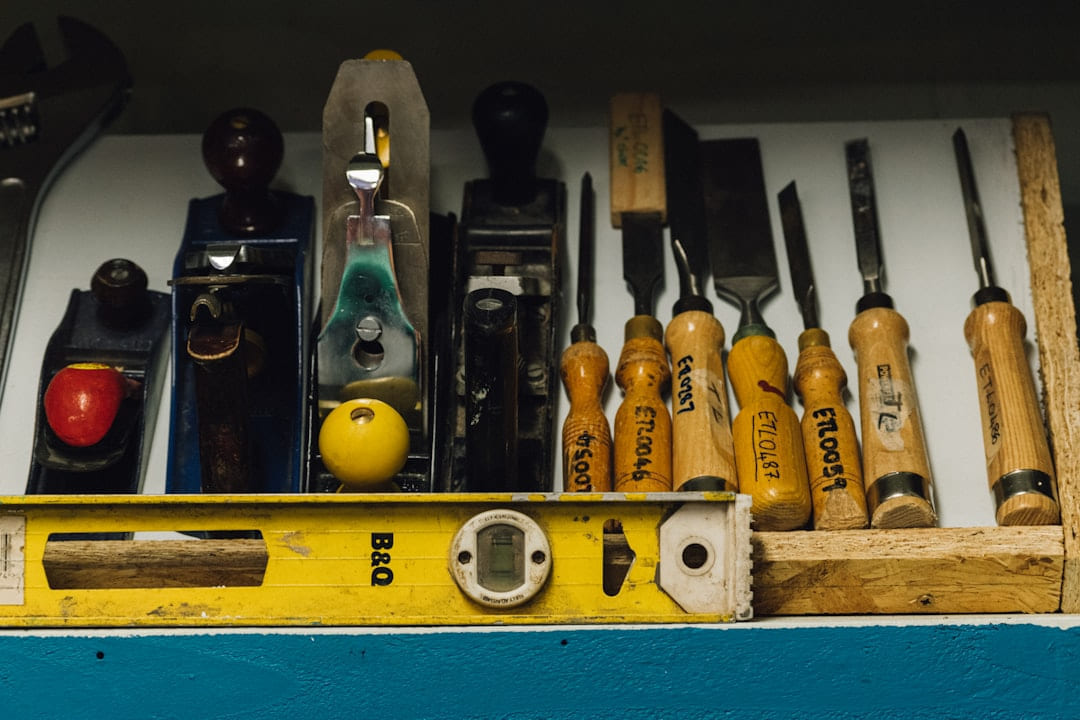
1. Underestimating the Space - The Foundation of Failure (Small Space)
This is, without a doubt, the biggest mistake. It’s shockingly common to start a project without truly assessing the available space. You might glance at a room, grab a measuring tape, and assume you know exactly how much room you have. Spoiler alert: you probably don’t. Small spaces have awkward angles, oddly shaped furniture, and often, less-than-ideal wall space.
Practical Example: Someone planning a narrow hallway bookcase might assume they can fit a standard 36-inch wide shelf unit. However, with doors swinging, light switches, and potentially a narrow electrical outlet, that 36 inches might be completely unusable.
Solution: Before you buy a single piece of lumber or hardware, meticulously measure everything. Measure the walls, the floor, the height of doorways and windows, and the distance to any obstructions. Sketch out a detailed plan on paper, including furniture placement and potential obstacles. Don’t just eyeball it; use a laser measure for accuracy. Consider using room planning apps like RoomSketcher or Planner 5D to visualize your project in 3D.
2. Choosing Overly Large Furniture
It’s tempting to want to fill a small space with big, bold furniture to create the illusion of spaciousness. However, large pieces can quickly overwhelm a tiny room, making it feel even smaller and more cluttered. Think about scale - a massive sofa in a 10x12 foot bedroom will be a disaster.
Practical Example: A bulky, overstuffed armchair in a studio apartment will eat up valuable floor space, leaving no room for movement or other activities.
Solution: Opt for furniture with slimmer profiles and shorter legs. Consider multi-functional pieces - a storage ottoman, a sofa bed, or a coffee table with drawers. Light colors and reflective surfaces (like glass or mirrored accents) can also help to visually expand the space. Prioritize quality over quantity; fewer, well-chosen pieces will always look better than a room crammed with things.
3. Ignoring Vertical Space
In small spaces, you need to think up. Utilizing vertical space is crucial for storage and maximizing functionality. Too many people focus solely on floor space, neglecting the walls and ceilings.
Practical Example: Installing shelves just above the floor leaves a significant gap above them, wasting valuable storage potential.
Solution: Go tall! Install shelves all the way to the ceiling. Use floating shelves to create a minimalist look and maximize floor space. Consider wall-mounted cabinets and organizers. Hang artwork and mirrors to draw the eye upward and create the illusion of height. Even a simple ladder shelf can add vertical storage and visual interest.
4. Not Planning for Storage - The Clutter Trap
DIY projects in small spaces are only beneficial if they actually solve a storage problem. Building a cool shelf without a plan for what you’ll put on it is a recipe for clutter. Before you start building, ask yourself: “Where will this stuff go?”
Practical Example: Someone builds a beautiful, open shelving unit in their entryway, but it quickly becomes a dumping ground for shoes, coats, and mail.
Solution: Design your storage solutions with specific items in mind. Consider built-in storage, hidden compartments, and clever organizational systems. Label shelves and bins to maintain order. Regularly declutter and donate items you no longer need. Think about how items are used and how they can be stored most efficiently.
5. Overcomplicating the Design
Small spaces benefit from simplicity. Intricate designs and overly elaborate projects can quickly become overwhelming and detract from the overall sense of space. Less is often more.
Practical Example: A complex, multi-layered shelving system with intricate joinery might look impressive, but it can also make a small room feel cluttered and visually busy.
Solution: Stick to clean lines and simple designs. Choose projects that are achievable and don’t require advanced skills. Focus on functionality and practicality. A well-executed, simple project will always look better than a poorly executed, overly complicated one.
6. Neglecting Lighting
Proper lighting is essential in small spaces. Dark corners and shadowy areas can make a room feel smaller and more claustrophobic. Strategic lighting can brighten up the space and create a more inviting atmosphere.
Solution: Combine ambient lighting (general overhead lighting), task lighting (for specific activities), and accent lighting (to highlight features). Use light-colored paint and reflective surfaces to maximize natural light. Consider installing dimmer switches to adjust the brightness as needed.
Start with what you will actually use
With Small Space DIY: Common Mistakes & How to Fix Them, the first question is usually not which option looks best on paper. It is which part will make day-to-day life easier, smoother, or cheaper once the novelty wears off.
A lot of options sound great until you picture them in a normal week. If the setup is fussy, the routine is easy to forget, or the maintenance is annoying, the appeal fades quickly.
There is also value in keeping one part of the process deliberately simple. Readers often do better when they identify the one decision that carries the most weight and make that choice carefully before they chase smaller optimizations. That keeps momentum steady and usually prevents the topic from turning into clutter.
What tends to get overlooked
Tradeoffs are normal here. Cost, convenience, upkeep, and flexibility do not always line up neatly, so it helps to decide which tradeoff matters least to you before you commit.
This usually gets easier once you make a short list of priorities. A tighter list tends to produce better decisions than trying to solve every possible problem at once.
Another useful filter is asking what you would still recommend if the budget got tighter, the schedule got busier, or the setup had to be easier for someone else to manage. The answers to that question usually reveal which advice is durable and which advice only works under ideal conditions.
How to keep the setup simple
If you want Small Space DIY: Common Mistakes & How to Fix Them to hold up over time, choose the version you can actually maintain. That can mean spending less, leaving out an attractive extra, or simplifying the setup so it fits ordinary life.
The version that holds up best is usually the one you can live with on an ordinary day. That often matters more than the version that only feels good when you have extra time, energy, or money.
That is why the best next step is often a modest one with a clear upside. You want something specific enough to act on, flexible enough to adjust, and practical enough that you would still recommend it after the first burst of enthusiasm fades.
Keep This Practical
Home projects get more satisfying when the next step is realistic for your budget, time, and skill level. Choose one improvement you can finish cleanly instead of starting three at once.
Tools Worth A Look
The picks here are meant to support useful home improvements, not just impulse project shopping.
- Amazon Echo Dot (newest model) - Vibrant sounding speaker, Designed for Alexa+SR SUN RISE 12 Inch Brushed Gold Shower System, Wall-Mount Adjustable 16-Inch Slide Bar with 6-Function Hand Shower Faucet Included Valve and Trim KitTESSAN Surge Protector Power Strip, 5 Ft Flat Plug Extension Cord with 3 USB (1 USB C) 8 Outlets, 1250W, 900J ProtectionSolar Lights Outdoor, 106 LED 3000LM Solar Powered Motion Sensor Flood Lights with Remote, Dusk to Dawn Led Solar Security Wall Lights with 16.5Ft CableHomeHacks 2 Pack Large Laundry Baskets, Waterproof, Freestanding Laundry Hampers, Collapsible Clothes Hamper
Some of the links on this page are Amazon affiliate links, which means I may earn a small commission if you make a purchase through them. As an Amazon Associate, I earn from qualifying purchases.
Related ReadingMore from Hammer & Home
Small Space DIY: Clever Projects You Can Build
You Can Build can be easier to approach when you start with a few practical basics.
Small Space DIY vs. Clever Solutions
DIY Projects for Small Spaces: Budget Tips to Maximize Your Home Living in a small space doesn’t have to mean sacrificing style or functionality. In fact, it can.
Small Space DIY: Fixing Common Problems
DIY Projects for Small Spaces Troubleshooting - Hammer & Home DIY Projects for Small Spaces Troubleshooting: Don't Let Your Dreams Crumble Let’s be honest.