Easy DIY can be easier to approach when you start with a few practical basics.
Let’s be real - you’ve probably been thinking about giving your hallway a fresh coat of paint, or maybe you’re picturing a more organized kitchen. You want your home to feel a little more like you, but the idea of a major renovation can feel… well, a little overwhelming, especially when you’re watching your budget. You’re not alone. In 2026, many homeowners are looking for ways to brighten up their spaces and add personality without spending a fortune. this post is for you - whether you’re a seasoned DIYer, someone looking to save money, or just starting to make your place feel truly yours. Let’s dive into some realistic ways to refresh your home on a budget.
What Does “Budget” Look Like in 2026? (Easy DIY)
First, let’s talk about what we mean by “budget.” It’s not about cutting corners and settling for things that won’t last. It’s about making smart choices and prioritizing what will make the biggest impact for your money. Right now, materials are a bit pricier than they used to be - lumber has stabilized somewhat since that big jump in ‘24, but sustainably sourced wood still carries a premium. Interior paint is holding steady around $30 to $50 a gallon, while exterior paint tends to be a bit more, depending on the quality and finish. Hardware - those little knobs, pulls, and hinges - can add up quickly, too. Prices can vary quite a bit depending on where you are; you’ll likely find lower prices in regions like the Southwest compared to the Northeast, simply due to transportation costs. Labor rates, if you’re considering hiring someone, are typically between $60 and $90 an hour, but that can change depending on the contractor’s experience and the location. If you’re tackling the work yourself, factor in the cost of tools - a decent set will run you around $200 to $400 initially. Renting tools can be a surprisingly cost-effective option for one-off projects. Remember, a budget isn’t about cheap; it’s about making your money work for you. A fresh coat of paint, for example, can completely transform a room without breaking the bank.
Five Projects That Deliver Big Results
- Updating Cabinet Hardware: (Cost Estimates: $50 - $200) Swapping out outdated cabinet knobs and pulls is a surprisingly impactful upgrade. It’s a relatively quick and easy DIY project that can completely transform the look of your kitchen or bathroom. You can find stylish hardware at stores like Home Depot, Lowe’s, or online retailers like Amazon.
- Replacing Light Fixtures: (Cost Estimates: $50 - $300) Outdated light fixtures can make a room feel dark and dreary. Swapping them out for more modern or energy-efficient options is a simple way to brighten up your space and potentially lower your energy bills. LED fixtures are a great investment - they last longer and use significantly less electricity.
- Installing a New Showerhead: (Cost Estimates: $30 - $150) A new showerhead can really elevate your daily shower experience. There are tons of affordable options available, and the installation is usually straightforward - just be sure to turn off the water supply first!
- Simple Landscaping: (Cost Estimates: $50 - $300) Adding a few potted plants, some mulch, or a simple pathway can instantly improve the curb appeal of your home. Focus on low-maintenance plants that require minimal upkeep. Adding shelving (Cost Estimates: $30 - $150) is also a great way to add functionality and reduce clutter.
DIY vs. Hiring a Pro
Okay, so you’ve got a project in mind. But do you tackle it yourself, or call in a professional? It’s a common question. Let’s look at the cost comparison:
| Feature | DIY | Professional |
|---|---|---|
| Labor Cost | $0 (your time) | $60 - $90/hour |
| Materials Cost | Varies (can be lower) | Includes materials |
| Time Investment | Significant | Minimal |
| Skill Level | Requires skill & knowledge | Expertise guaranteed |
| Confidence | Can be stressful | Peace of mind |
DIY can save you money on labor, if you’re confident in your abilities. but mistakes can be costly - a poorly installed light fixture, a crooked paint job, or a botched plumbing repair can lead to expensive fixes down the road. It’s also worth considering the value of your time. There’s really a point where paying a professional makes sense, especially with electrical work, plumbing, or structural repairs. These tasks require specialized knowledge and can be dangerous if not done correctly. A fresh coat of paint can instantly brighten a space, cover up minor imperfections, and give your home a completely new look. Interior painting is generally cheaper than exterior, and you can save money by doing the prep work yourself - cleaning, patching holes, and priming.
Smart Shopping & Tools
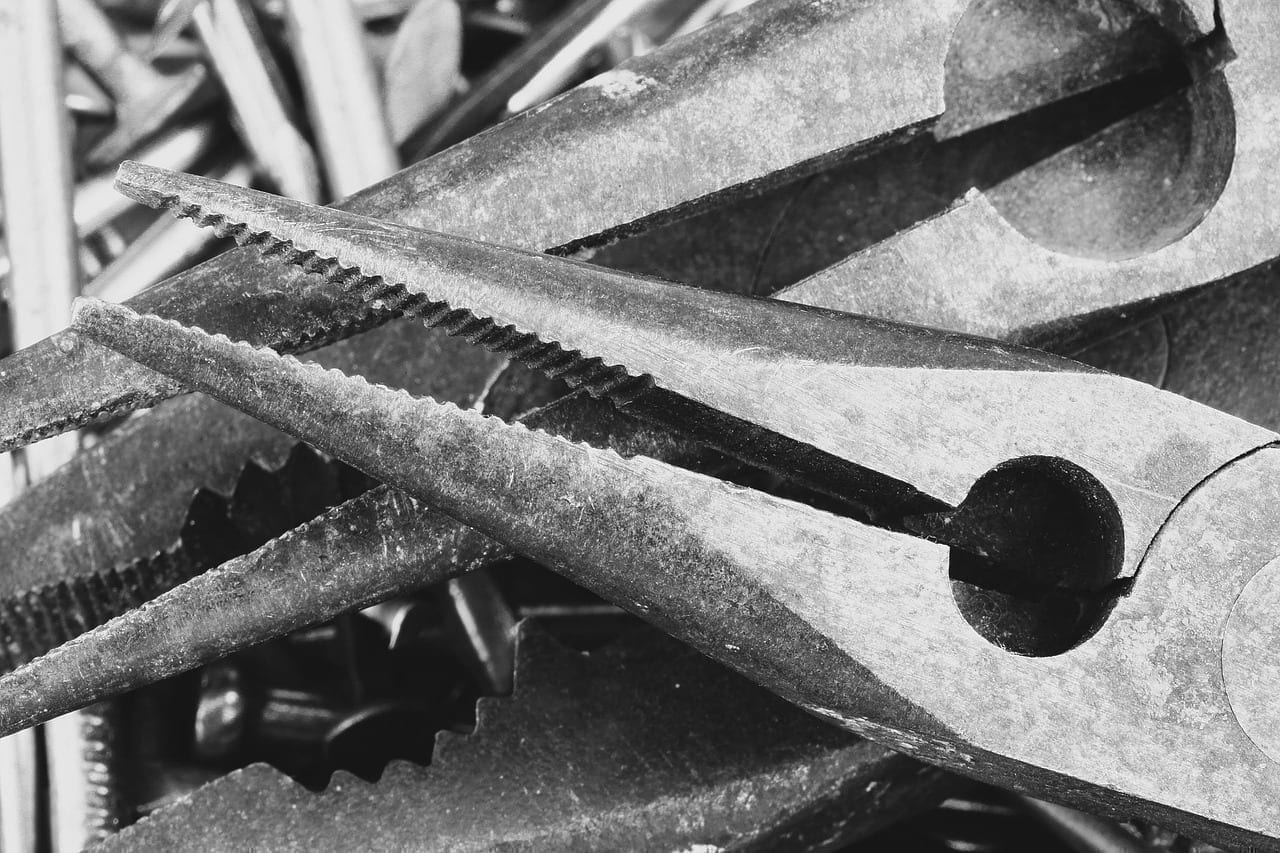
Let’s talk about where to find the best deals. Online retailers like Home Depot, Lowe’s, and Amazon are constantly running sales and promotions. Keep an eye out for clearance items and holiday discounts. Local hardware stores and discount sources like Ollie’s Bargain Outlet can also be goldmines - you might just find some hidden gems at incredibly low prices. with tools, you don’t need to buy everything at once. Start with the essentials: a hammer, a screwdriver (Phillips and flathead), a measuring tape, a level, and a utility knife. These tools will cover most basic projects. You can often find affordable alternatives at hardware stores or even borrow tools from friends or family. Rental options are also a great way to save money if you only need a tool for a single project. A quality tape measure is a worthwhile investment - you’ll use it constantly.
Avoiding Mistakes & Long-Term Thinking
Let’s be honest - DIY projects don’t always go according to plan. Here are a few common mistakes to avoid: * Not prepping surfaces properly: This is a big one. If you’re painting, make sure to clean, sand, and prime the surface before applying the paint.
- Using the wrong tools: Using a flimsy screwdriver can strip screws and make the job much harder.
- Miscalculating materials: Always overestimate slightly to avoid running short. Fixing mistakes can be costly and time-consuming. Investing a little extra time and effort upfront can save you a lot of headaches down the road. And finally, remember that long-term value matters. It’s often better to invest in quality materials that will last, even if they cost a bit more upfront.
Wrapping Up
Budget home improvements don’t have to be daunting. With a little planning, some smart choices, and a willingness to learn, you can transform your home without breaking the bank. Start small, build your confidence, and celebrate your successes. Even the smallest changes can make a big difference in how you feel about your space. Ready to get started?
Keep This Practical
Home projects get more satisfying when the next step is realistic for your budget, time, and skill level. Choose one improvement you can finish cleanly instead of starting three at once.
Tools Worth A Look
The picks here are meant to support useful home improvements, not just impulse project shopping.
- Amazon Echo Dot (newest model) - Vibrant sounding speaker, Designed for Alexa+Pull-Out Storage Organizers, Under Sink Organizer and StorageDORESshop LED Night Light - Night Lights Plug into Wall, 3 Level Brightness Adjustable Plug in Night LightTuffenough Solar Outdoor Lights 2500LM 210 LED Security Lights with Remote Control,3 Heads Motion Sensor Lights, IP65 Waterproof,270° Wide AngleKRAUS Kore 33-in Drop-In Workstation 16 Gauge Stainless Steel Single Bowl Kitchen Sink with Accessories
Some of the links on this page are Amazon affiliate links, which means I may earn a small commission if you make a purchase through them. As an Amazon Associate, I earn from qualifying purchases.
Related ReadingMore from Hammer & Home
Budget Boosts: Upgrades vs. Smart Swaps
is easier to make sense of when you break it down into the part that matters most first. Instead of chasing every option at once, it usually helps to focus on what.
Budget Updates: Smart Choices vs. Big Costs
Budget-Friendly Home Updates vs. Alternatives Hammer & Home: Budget-Friendly Home Updates vs. Alternatives Let’s face it - our homes are more than just buildings;...
Small Updates, Big Mistakes
can be easier to approach when you start with a few practical basics.