5 Easy Updates to Boost Your Home’s Appeal (Smart Choices vs. Big Costs)
- Replace Cabinet Hardware: This is arguably the quickest and most impactful update you can make. Old, dated cabinet hardware can instantly make a kitchen or bathroom feel stale. Swapping out knobs and pulls for something modern, stylish, or even just a slightly different finish can completely transform the look.
Smart Choices vs. Big Costs can be easier to approach when you start with a few practical basics. Cost: $20 - $150 (depending on the style and quantity)
DIY Difficulty: Easy. Most hardware comes with clear instructions, and it’s a straightforward screw-and-replace job.
Alternative: Professional cabinet refacing or replacement. This offers a more significant aesthetic change but comes with a considerably higher price tag - typically $5,000 - $20,000 depending on the extent of the work. Consider this if you’re looking for a complete kitchen overhaul.
- Install LED Bulbs: Switching to LED lighting is a win-win. Not only do they use significantly less energy, reducing your electricity bills, but they also last far longer than traditional incandescent bulbs. Plus, LED bulbs come in a huge range of color temperatures, allowing you to create the perfect ambiance in every room.
Cost: $5 - $20 per bulb
DIY Difficulty: Extremely Easy. Simply unscrew the old bulb and screw in the new LED.
Alternative: Complete lighting system upgrade. Replacing all existing fixtures with new, smart lighting systems can cost anywhere from $1,000 to $5,000, depending on the complexity and features. While offering convenience and customization, it’s a substantial investment.
- Update Window Treatments: Window treatments dramatically affect a room’s light, privacy, and overall style. Outdated curtains or blinds can make a space feel dark and dated. Investing in new curtains, blinds, or shades can instantly brighten a room and elevate its aesthetic.
Cost: $30 - $300 per window (depending on the type and material)
DIY Difficulty: Easy to Moderate. Installing blinds or shades can be straightforward, but hanging curtains might require a little more skill.
Alternative: Replacing windows entirely. This is a major undertaking, costing $3,000 - $10,000+ per window, depending on the type of window and installation complexity. It’s a worthwhile investment for energy efficiency and curb appeal, but it's a significant expense.
- Deep Clean and Declutter: This might seem too obvious to include, but it’s truly foundational. A clean, clutter-free home instantly feels more inviting and spacious. Dedicate a weekend to deep cleaning, tackling those neglected corners, and ruthlessly decluttering.
Cost: $10 - $50 (for cleaning supplies)
DIY Difficulty: Easy. This is entirely a DIY project!
Alternative: Professional cleaning service. Hiring a cleaning service can cost $75 - $200 per cleaning, depending on the size of your home and the scope of the cleaning. While convenient, it’s an ongoing expense.
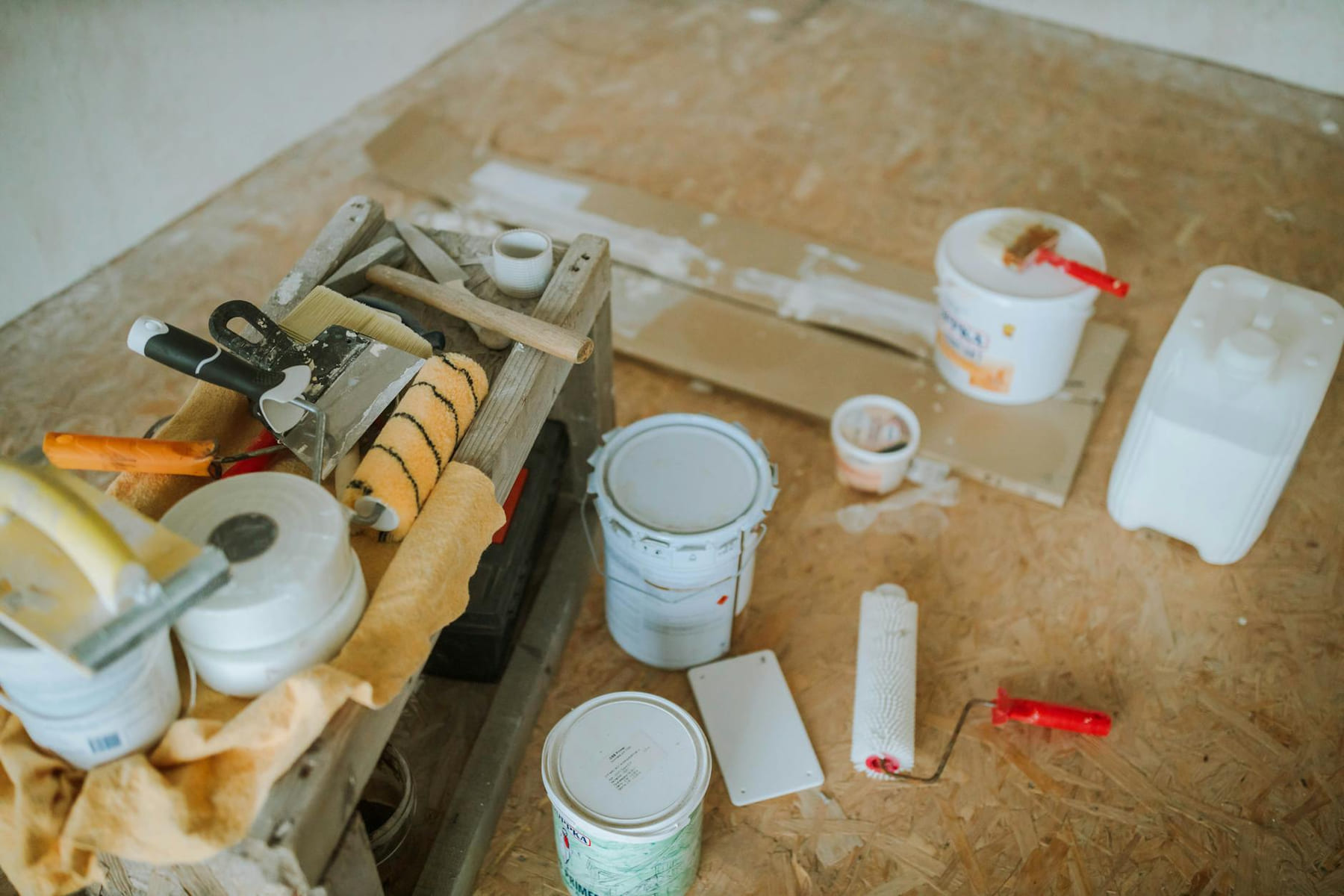
- Repaint a Room (Accent Wall): A fresh coat of paint is one of the most impactful and affordable ways to transform a space. Even painting just one accent wall can add a pop of color and create a focal point.
Cost: $50 - $200 (for paint and supplies)
DIY Difficulty: Moderate. Requires some painting skills and preparation.
Alternative: Professional painting. Hiring a professional painter can cost $2,000 - $8,000+ depending on the size of the room and the complexity of the job. While ensuring a flawless finish, it’s a significant investment.
Beyond DIY: Considering the Bigger Picture
While these five updates offer fantastic value for money, it’s crucial to consider whether a more comprehensive approach might be beneficial in the long run. Let’s look at a few scenarios:
- Kitchen Remodel (Small Scale): Instead of a full kitchen remodel, consider updating the countertops and backsplash. These are often the most expensive parts of a kitchen renovation, and replacing them with more modern materials can make a huge difference without breaking the bank.
- Bathroom Refresh: New faucets, showerheads, and a fresh coat of paint can dramatically improve the look and feel of a bathroom. Replacing the vanity is a more significant investment, but a mid-range vanity can be a stylish and functional upgrade.
- Curb Appeal: Landscaping, a new front door, and updated exterior lighting can significantly boost your home’s curb appeal. These improvements can increase your home’s value and make a positive first impression.
Making the Right Choice: DIY vs. Professional
Ultimately, the decision of whether to tackle a home update yourself or hire a professional depends on your budget, skills, and time constraints. DIY projects are generally more affordable, but they require time, effort, and a willingness to learn. Professional contractors offer expertise and ensure a high-quality finish, but their services come with a higher cost.
Here’s a quick guide:
- Low-Cost, Simple Projects: DIY - Cabinet hardware, LED bulbs, window treatments, decluttering.
- Moderate Cost, Some Skill Required: Painting, installing blinds.
- Higher Cost, Best Left to Professionals: Major renovations, window replacement, complete flooring installation.
Let’s Talk!
Pick the easiest win first
Most people get better results with Budget Updates: Smart Choices vs. Big Costs when they narrow the decision to one real problem. That could be saving time, trimming cost, reducing friction, or making the routine easier to keep up.
This usually gets easier once you make a short list of priorities. A tighter list tends to produce better decisions than trying to solve every possible problem at once.
Another useful filter is asking what you would still recommend if the budget got tighter, the schedule got busier, or the setup had to be easier for someone else to manage. The answers to that question usually reveal which advice is durable and which advice only works under ideal conditions.
The tradeoff most people notice late
One common mistake with Budget Updates: Smart Choices vs. Big Costs is expecting every option to solve the whole problem. In reality, some choices are better for convenience, some for reliability, and some simply for keeping the budget under control.
Before spending more, it is worth checking the setup, upkeep, and learning curve. Small hassles matter here because they are usually what decide whether something stays useful or gets ignored.
It is easy to underestimate how much clarity comes from removing one unnecessary layer. In practice, trimming one complication often does more for Budget Updates: Smart Choices vs. Big Costs than adding one more feature, one more product, or one more clever workaround.
What makes this easier to live with
The options that age well are usually the ones that are easy to repeat. Reliability and low hassle often matter more than the most impressive-looking feature list.
In a topic like Home improvement, manageable almost always beats impressive. If something is simple enough to keep using, it is usually doing more real work for you.
Readers usually get better results when they treat advice as something to test and refine, not something to obey perfectly. That mindset creates room for real judgment, which is often the difference between content that sounds smart and guidance that is actually useful.
Keep This Practical
Home projects get more satisfying when the next step is realistic for your budget, time, and skill level. Choose one improvement you can finish cleanly instead of starting three at once.
Tools Worth A Look
The picks here are meant to support useful home improvements, not just impulse project shopping.
- Laser Level Line Tool, Multipurpose Laser Level Kit Standard Cross Line Laser leveler Beam Tool with Metric Rulers 8ft/2.5M for Picture HangingRobinair 15800 VacuMaster Economy Vacuum PumpDOACE 100W GaN Universal Travel Adapter, 6-in-1 International Power AdapterBLUEAIR Blue Pure 511i Max Smart Air Purifier for Bedroom & Small Rooms up to 926 Sq Ft, HEPASilent Air CleanerGIGASTONE 128GB Micro SD Card 2-Pack, A1 V30 4K Video Recording, Compatible with Security Camera, Dash cam, Drone, 95MB/s MicroSDXC Memory Card UHS-I Class 10,
Some of the links on this page are Amazon affiliate links, which means I may earn a small commission if you make a purchase through them. As an Amazon Associate, I earn from qualifying purchases.
Related ReadingMore from Hammer & Home

Budget Boosts: Upgrades vs. Smart Swaps
is easier to make sense of when you break it down into the part that matters most first. Instead of chasing every option at once, it usually helps to focus on what.
Small Updates, Big Mistakes
can be easier to approach when you start with a few practical basics.
Small Changes, Big Impact: Budget Updates
is easier to make sense of when you break it down into the part that matters most first. Instead of chasing every option at once, it usually helps to focus on what.