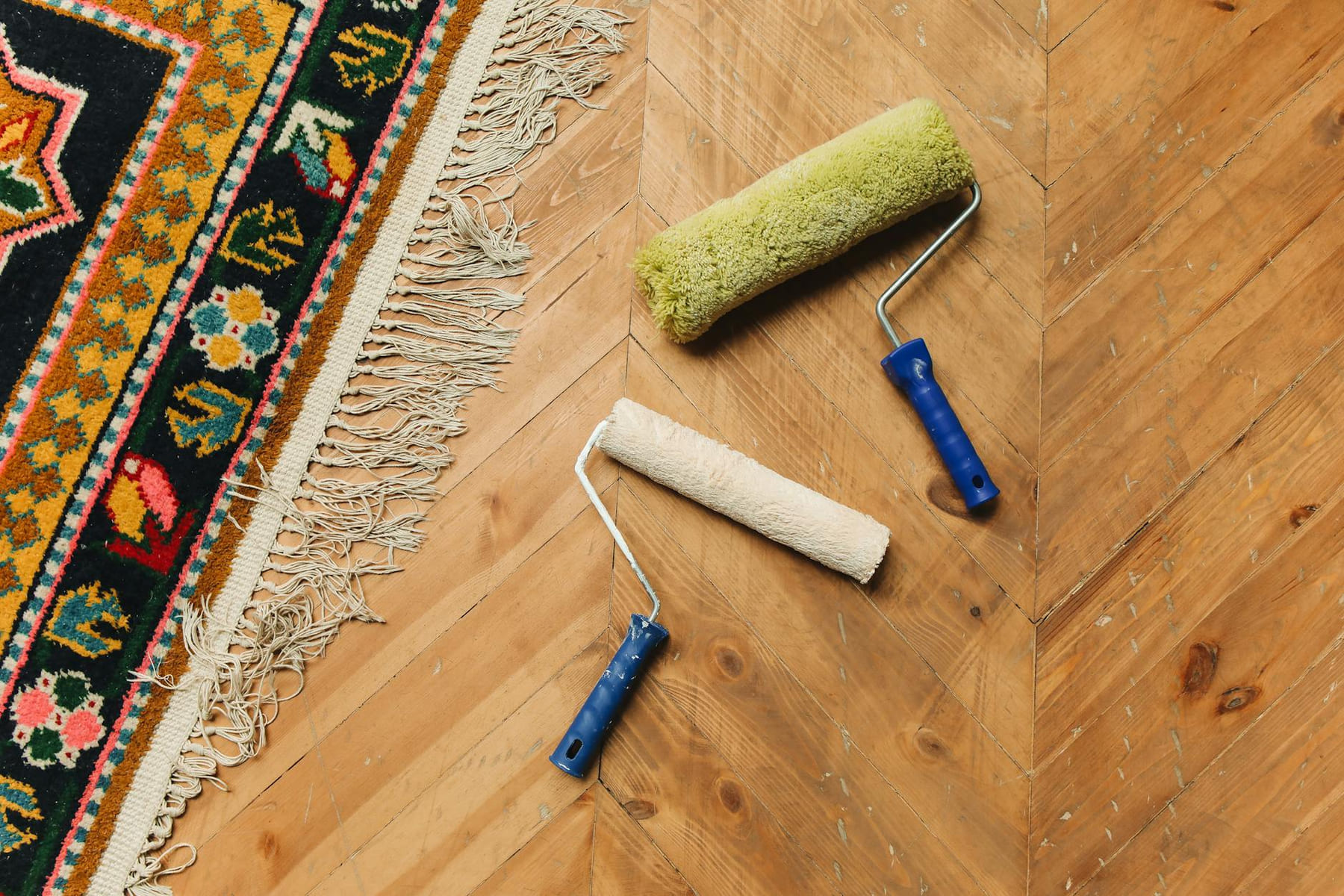
Small Updates, Big Mistakes can be easier to approach when you start with a few practical basics.
- Buying Cheap Materials: It’s tempting to go for the cheapest paint or hardware you can find, but often, you’re sacrificing quality. A poorly made brush will leave streaks, and flimsy knobs will rattle and break. I’ve seen people spend more on a single, high-quality paint can to cover a larger area than they would on a dozen cheap rollers.
- Neglecting Proper Surface Preparation: This is *huge*. Seriously. If you don’t clean, patch, and sand a surface properly before painting or applying anything, the final result will look patchy and uneven. It’s like trying to build a house on a shaky foundation - it’s just not going to last.
- Not Reading Instructions Carefully: Seriously, do it. Seriously. It’s baffling how many people skip the instructions entirely, assuming they know better. Following the manufacturer’s guidelines is crucial for achieving the best results, especially with things like adhesives or specialized finishes.
- Miscalculating Material Quantities: It's easy to think, "Oh, I need one gallon of paint." Then you realize you’ve only covered half the wall. Always overestimate slightly - it’s better to have a little leftover than to run out mid-project.
- Ignoring Safety Precautions: Working with tools and chemicals requires common sense and safety. Wear appropriate eye protection, gloves, and a mask when necessary. Don’t take shortcuts that could put you at risk.
- Rushing the Process: This ties into the first point - don’t try to speed things up. Take your time, do things properly, and enjoy the process. Rushing leads to mistakes and a less satisfying outcome.
Pre-Project Planning is Crucial (Small Updates, Big Mistakes)
Let’s be blunt: a detailed plan is the single best investment you can make before starting any home improvement project. It doesn't have to be complicated, but it does need to be thorough. Start with a realistic budget. There are tons of online budget calculators available - they're a great starting point. Then, break down your project into smaller, manageable tasks and create a timeline. Be honest with yourself about how long each task will take. And finally, make a comprehensive materials list. Write down everything you’ll need - from paint and brushes to screws and sandpaper. Adding a few extra items to your list as you go is a good habit to get into.
Material Quality vs. Price
There’s a constant tension between cost and quality, and it’s a tricky balance to strike. While it’s tempting to go for the cheapest option, investing in a few key items - like a good quality paintbrush or sandpaper - can save you time and money in the long run. A brush that holds its shape and provides a smooth finish will mean fewer coats of paint and a better-looking result. Similarly, sharp sandpaper will make the prep work much easier and more effective. Don't automatically assume that the most expensive option is always the best, but don't be afraid to spend a little more on items that will make a real difference.
Proper Preparation - The Biggest Time Saver
This is where a lot of people cut corners, and it’s a mistake. I can’t stress this enough: surface preparation is absolutely critical. Cleaning, patching, sanding - these steps might seem tedious, but they’re what make the difference between a professional-looking result and a DIY disaster. If you skip this step, your paint will chip, your adhesive won’t stick properly, and you’ll end up having to redo the entire project. Think of it as laying the foundation for a beautiful outcome. It’s an investment that pays off in the end.
Realistic Scope & Skill Level
Finally, be honest with yourself about what you can realistically handle. Starting with small, manageable projects is a great way to build your confidence and skills. Don't try to tackle a complete kitchen remodel if you've never held a screwdriver before. There are tons of fantastic online tutorials and local workshops that can help you learn new skills. And remember, it’s okay to admit that something is beyond your capabilities - hiring a professional is always a valid option.
Start with what you will actually use
With Small Updates, Big Mistakes, the first question is usually not which option looks best on paper. It is which part will make day-to-day life easier, smoother, or cheaper once the novelty wears off.
A lot of options sound great until you picture them in a normal week. If the setup is fussy, the routine is easy to forget, or the maintenance is annoying, the appeal fades quickly.
There is also value in keeping one part of the process deliberately simple. Readers often do better when they identify the one decision that carries the most weight and make that choice carefully before they chase smaller optimizations. That keeps momentum steady and usually prevents the topic from turning into clutter.
What tends to get overlooked
Tradeoffs are normal here. Cost, convenience, upkeep, and flexibility do not always line up neatly, so it helps to decide which tradeoff matters least to you before you commit.
This usually gets easier once you make a short list of priorities. A tighter list tends to produce better decisions than trying to solve every possible problem at once.
Another useful filter is asking what you would still recommend if the budget got tighter, the schedule got busier, or the setup had to be easier for someone else to manage. The answers to that question usually reveal which advice is durable and which advice only works under ideal conditions.
How to keep the setup simple
If you want Small Updates, Big Mistakes to hold up over time, choose the version you can actually maintain. That can mean spending less, leaving out an attractive extra, or simplifying the setup so it fits ordinary life.
The version that holds up best is usually the one you can live with on an ordinary day. That often matters more than the version that only feels good when you have extra time, energy, or money.
That is why the best next step is often a modest one with a clear upside. You want something specific enough to act on, flexible enough to adjust, and practical enough that you would still recommend it after the first burst of enthusiasm fades.
Costs that show up later
You do not need the flashiest answer here. You need the one that fits your space, budget, and routine well enough that you will still feel good about it after the first week.
In a topic like Home improvement, manageable almost always beats impressive. If something is simple enough to keep using, it is usually doing more real work for you.
Readers usually get better results when they treat advice as something to test and refine, not something to obey perfectly. That mindset creates room for real judgment, which is often the difference between content that sounds smart and guidance that is actually useful.
Keep This Practical
A useful home update should make the room easier to live in, not just better to photograph. Keep the next project practical, measurable, and easy to maintain after the excitement wears off.
Tools Worth A Look
These recommendations are most useful if you want tools, materials, or organizing help that support a cleaner DIY result.
- Guankai 8 Pack Motion Sensor Stair Light for Indoor, Battery Operated Closet Lights, Wireless Stick on AnywhereHomeHacks 2 Pack Large Laundry Baskets, Waterproof, Freestanding Laundry Hampers, Collapsible Clothes HamperSolar Lights Outdoor, 106 LED 3000LM Solar Powered Motion Sensor Flood Lights with Remote, Dusk to Dawn Led Solar Security Wall Lights with 16.5Ft CableHOOBRO Over The Toilet Storage, 3-Tier Bathroom Organizer Shelf Over ToiletDORESshop LED Night Light - Night Lights Plug into Wall, 3 Level Brightness Adjustable Plug in Night Light
Some of the links on this page are Amazon affiliate links, which means I may earn a small commission if you make a purchase through them. As an Amazon Associate, I earn from qualifying purchases.
Related ReadingMore from Hammer & Home
Budget Boosts: Upgrades vs. Smart Swaps
is easier to make sense of when you break it down into the part that matters most first. Instead of chasing every option at once, it usually helps to focus on what.
Budget Updates: Smart Choices vs. Big Costs
Budget-Friendly Home Updates vs. Alternatives Hammer & Home: Budget-Friendly Home Updates vs. Alternatives Let’s face it - our homes are more than just buildings;...
Small Changes, Big Impact: Budget Updates
is easier to make sense of when you break it down into the part that matters most first. Instead of chasing every option at once, it usually helps to focus on what.