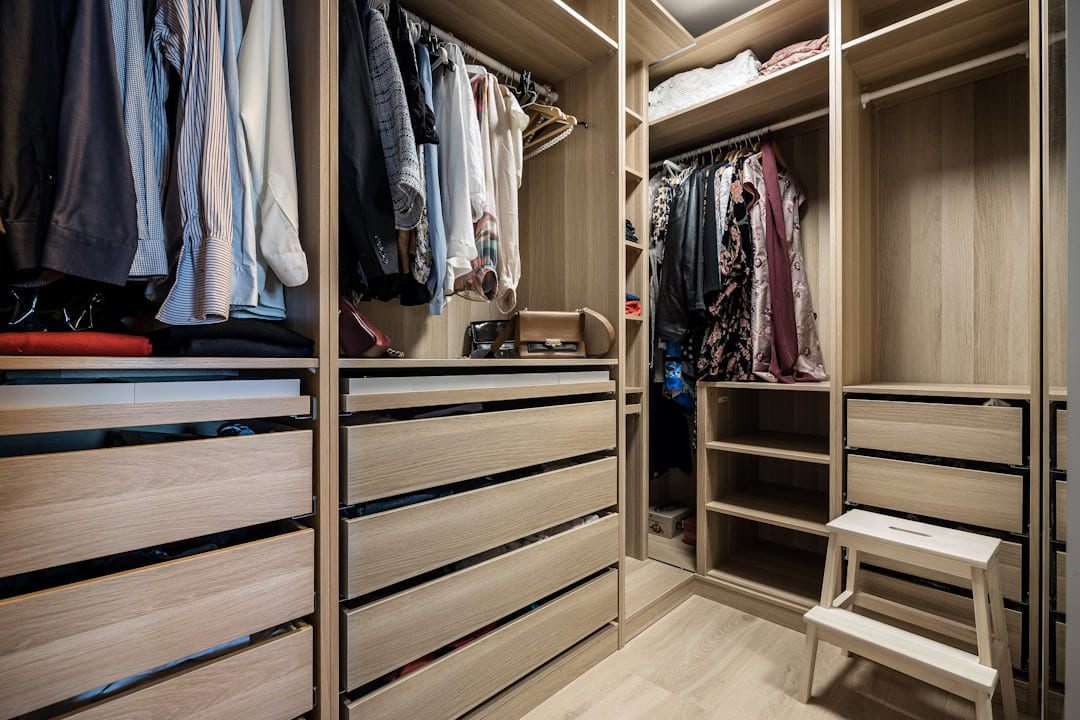
Your Closet can be easier to approach when you start with a few practical basics. Let’s be honest, most of us have closets that resemble a black hole - a swirling vortex of forgotten sweaters, mismatched shoes, and items we swear we’ll “get around to” using someday. But a cluttered closet isn’t just unsightly; it’s a productivity killer, a source of daily frustration, and frankly, a waste of valuable space. The good news? You don’t need a professional organizer to tackle this. With a little planning and a solid DIY approach, you can completely transform your closet from chaotic mess to a streamlined, functional space. This comprehensive checklist will guide you through every step of the process, making your closet organization project achievable and rewarding.
The Great Purge - Decluttering is Key
Before you even think about organizing, you need to get rid of stuff. This is arguably the hardest part, but it’s absolutely crucial. Don’t skip this step! A disorganized closet filled with things you don’t need is just a fancy, expensive mess. Here’s a breakdown of how to tackle the purge:
- The Four-Box Method: Grab four boxes (or bags) and label them: “Keep,” “Donate,” “Trash,” and “Maybe.”
- Be Ruthless: When evaluating each item, ask yourself these questions: “Have I worn this in the last year?” “Does it fit properly and make me feel good?” “Is it damaged beyond repair?” If the answer to any of these is “no,” it’s likely time to let it go.
- The “Maybe” Box - A Temporary Holding Area: This box is for items you’re truly unsure about. Store it for 3-6 months. If you haven’t needed anything from it by then, donate it without hesitation.
- Sentimental Items: Don’t let sentimentality derail your entire project. Limit yourself to a small, designated space for truly special items. Consider taking photos of items you’re letting go of to preserve the memory.
Example: Let's say you're looking at a pile of old scarves. A simple question: "Do I love this scarf and wear it regularly?" If the answer is no, it goes into the Donate box. Don't keep it because "it was a gift." The giver wants you to be happy, and holding onto something that doesn't bring you joy doesn’t honor their intention.
Assessment & Planning - Mapping Your Closet
Now that you’ve decluttered, it’s time to take stock of what’s left and plan how you’re going to store it. This step prevents you from immediately re-cluttering your newly organized space.
- Measure Everything: Accurately measure the height, width, and depth of your closet. This is vital for choosing the right storage solutions.
- Inventory Your Items: Group similar items together (e.g., all shirts, all pants, all shoes). This will help you determine the best storage methods.
- Analyze Your Closet Layout: Consider the existing shelving, rods, and drawers. Are there any awkward angles or wasted spaces?
- Sketch a Plan: Draw a rough sketch of your closet and experiment with different layouts. Think about accessibility - you want to be able to easily reach everything.
Practical Tip: Use painter’s tape to mark out potential shelf placements on the closet walls before you buy any shelving units. This helps you visualize the space and ensure everything will fit.
Investing in the Right Tools - Storage Solutions
This is where the fun begins! Choosing the right storage solutions is key to a long-lasting, organized closet. Here’s a breakdown of options, categorized by budget and need:
- Budget-Friendly (Under $50): Over-the-door organizers, clear plastic bins, shoe racks, hanging shoe organizers, repurposed cardboard boxes.
- Mid-Range ($50 - $200): Adjustable shelving units, drawer dividers, fabric storage bins, valet rods.
- Higher-End ($200+): Custom closet systems, pull-out shelves, motorized shelving (if you’re feeling fancy!).
Don't Forget the Details: Hangers are crucial! Invest in quality, matching hangers (slim velvet hangers are a popular choice) to maximize space and create a uniform look. Use small hooks to hang bags and belts.
Organizing & Implementing - Putting it All Together
Now it’s time to bring your plan to life. Follow these guidelines for optimal organization:
- Hang Strategically: Hang items you wear frequently and that wrinkle easily. Fold sweaters and other bulky items to minimize wrinkles.
- Fold Efficiently: Learn the KonMari method of folding clothes to maximize drawer space and visibility.
- Utilize Vertical Space: Install shelves above the rod to store out-of-season items or less frequently used accessories.
- Maximize Drawer Space: Use drawer dividers to keep socks, underwear, and accessories neatly separated.
- Shoe Storage Solutions: Consider a shoe rack, over-the-door shoe organizer, or clear shoe boxes.
Example: Instead of throwing all your scarves into a tangled heap, fold them neatly and hang them on a scarf hanger or roll them and store them in a fabric bin. This will not only save space but also make it easier to find the scarf you’re looking for.
Maintenance - Keeping it Organized
Organization isn’t a one-time event; it’s an ongoing process. Here’s how to maintain your newly organized closet:
- The One-In, One-Out Rule: For every new item you bring into your closet, get rid of something old.
- Regular Purges: Schedule a mini-purge every 3-6 months to remove items you’re no longer using.
- Put Things Back Immediately: Develop the habit of putting items back in their designated place after each use.
- Seasonal Rotation: Swap out seasonal clothing to keep your closet clutter-free.
A well-organized closet isn't just about aesthetics; it’s about creating a more functional and enjoyable space. By following this DIY closet organization checklist, you can transform your closet from a source of stress into a haven of calm and efficiency. Happy organizing!
Start with what you will actually use
With Organize Your Closet: A Simple Checklist, the first question is usually not which option looks best on paper. It is which part will make day-to-day life easier, smoother, or cheaper once the novelty wears off.
A lot of options sound great until you picture them in a normal week. If the setup is fussy, the routine is easy to forget, or the maintenance is annoying, the appeal fades quickly.
There is also value in keeping one part of the process deliberately simple. Readers often do better when they identify the one decision that carries the most weight and make that choice carefully before they chase smaller optimizations. That keeps momentum steady and usually prevents the topic from turning into clutter.
What tends to get overlooked
Tradeoffs are normal here. Cost, convenience, upkeep, and flexibility do not always line up neatly, so it helps to decide which tradeoff matters least to you before you commit.
This usually gets easier once you make a short list of priorities. A tighter list tends to produce better decisions than trying to solve every possible problem at once.
Another useful filter is asking what you would still recommend if the budget got tighter, the schedule got busier, or the setup had to be easier for someone else to manage. The answers to that question usually reveal which advice is durable and which advice only works under ideal conditions.
Keep This Practical
A useful home update should make the room easier to live in, not just better to photograph. Keep the next project practical, measurable, and easy to maintain after the excitement wears off.
Tools Worth A Look
These recommendations are most useful if you want tools, materials, or organizing help that support a cleaner DIY result.
- Durmmur 2 Pack Hat Racks for Baseball Caps, Stainless Steel Hat OrganizerDwersty One Way Daytime Window Privacy Film See Out Not in, Window Tint4G LTE Cellular Security Camera Wireless OutdoorRing Battery Doorbell Plus, Home or business security, Head-to-Toe HD+ Video, motion detection & alerts, and Two-Way TalkCARPETNAL 30 Inch Bathroom Vanity with Sink, Modern Fluted Bathroom Vanity with Sink
Some of the links on this page are Amazon affiliate links, which means I may earn a small commission if you make a purchase through them. As an Amazon Associate, I earn from qualifying purchases.
Related ReadingMore from Hammer & Home
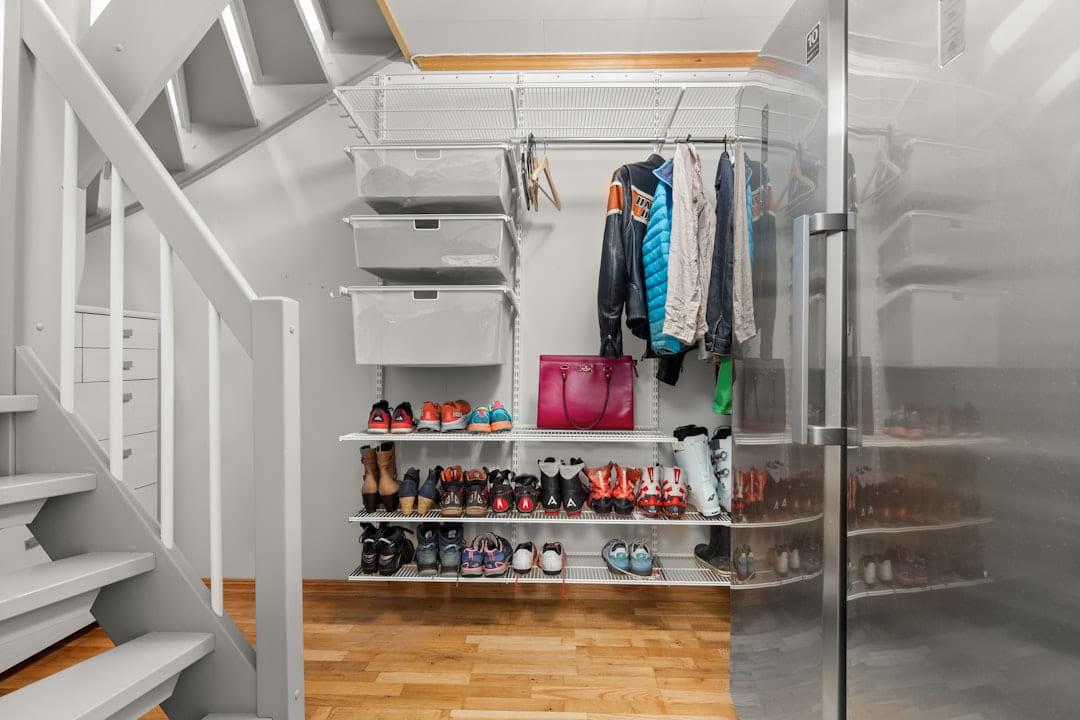
Organize Your Closet: A Step-by-Step Guide
Step-by-Step Guide can be easier to approach when you start with a few practical basics. --- Hammer & Home: DIY Closet Organization Step by Step Let’s be honest.
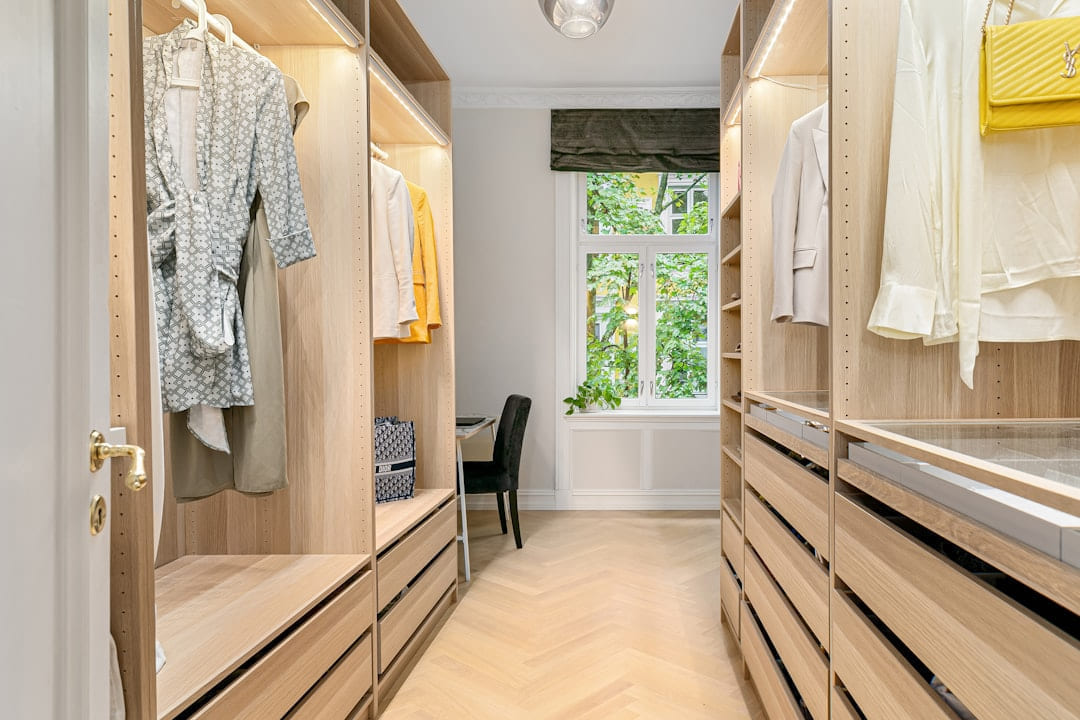
Organize Your Closet: A Practical Guide
Organization Checklist - Hammer & Home DIY Closet Organization Checklist: Transform Your Chaos into Calm Let’s be honest, most of us have closets that resemble.

Closet Chaos? Avoid These DIY Errors
Closet Chaos? Avoid These DIY Errors offers a clearer, more practical take on diy closet so readers can make the next move with less confusion and more confidence.