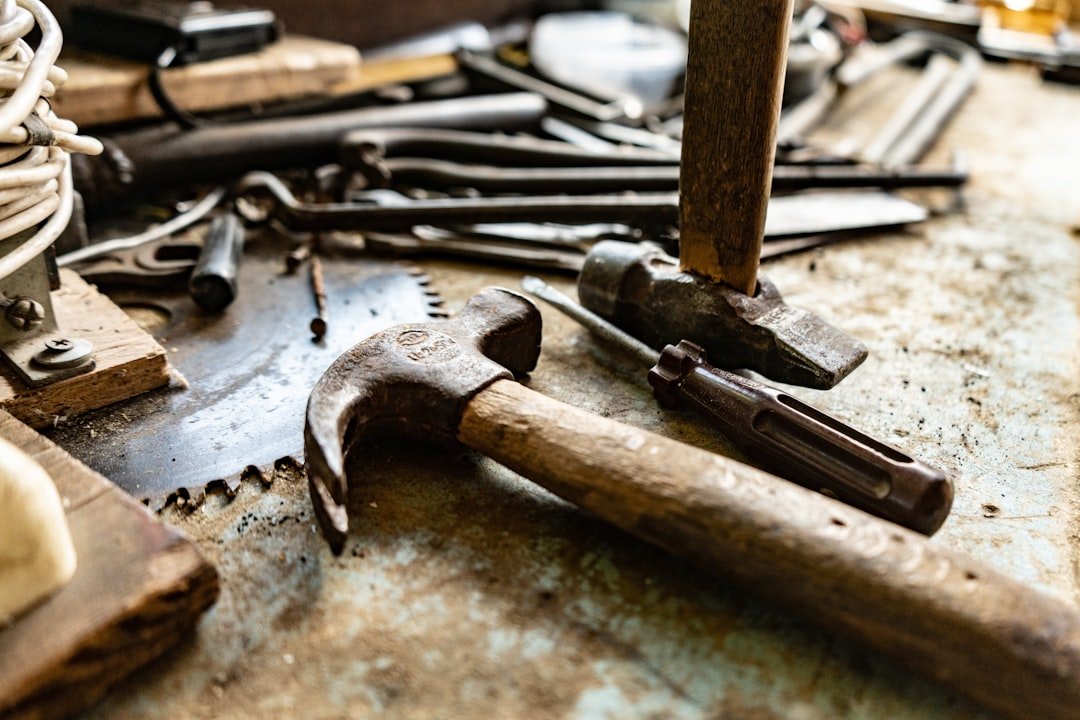
This Hammer & Home guide looks at Farmhouse Style through the lens of realistic tradeoffs, simple next steps, and long-term usefulness.
Farmhouse decor isn’t a fleeting trend; it’s a style rooted in honest work and enduring quality. You’ll encounter a disturbing number of poorly executed “farmhouse” attempts - rushed, cheap imitations slapped together with pallets and bargain hardware. We’re here to cut through the noise and show you how to do it properly. This isn’t about chasing the latest Instagram fad. It’s about crafting a home you’ll genuinely appreciate, one that feels substantial and authentically lived-in.
Don’t Throw Money at a Problem
Wood, Paint, and Hardware: Don’t Skimp
Durable materials are the absolute cornerstone of a farmhouse style that stands the test of time. You’ll be shocked at how quickly cheap finishes wear out, and the cost of replacing them quickly adds up. Solid wood - pine, oak, even reclaimed lumber - is your best friend. It’s going to weather, age gracefully, and develop a beautiful patina over time. Don’t be fooled by the allure of inexpensive veneers or composite materials. They lack the depth and character of real wood. Quality milk paint is also worth the investment. It penetrates the wood, creating a rich, matte finish that’s far more authentic and resilient than a glossy enamel. And absolutely no particleboard. Seriously, forget it. This isn't a disposable project; it’s an investment in your home. Reclaimed lumber, in particular, offers incredible character and a tangible sense of history for a fraction of the cost of new. Research reputable suppliers specializing in reclaimed materials - they’ll often have a wider selection and better quality control.
Master the Basics, Then Build Up
Don’t bite off more than you can chew. Simple projects executed flawlessly are infinitely better than complex projects botched. Start with something manageable - restoring a mantel, refinishing an old table, building a basic shelving unit. Learning to properly sand, stain, and finish wood is a fundamental skill that will serve you well in countless future projects. It’s not glamorous, but it’s crucial. Focus on mastering one technique, and then build from there. A perfectly smooth, factory-finished piece simply doesn’t belong in a farmhouse. Embrace the process - the sanding, the staining, the occasional mistake. These imperfections are part of the charm. Consider taking a weekend workshop or online course to learn the basics of woodworking and finishing. YouTube is a surprisingly good resource, but be selective about your tutorials.
Embrace the Rustic - Imperfection is Key
Authentic farmhouse isn’t about achieving a sterile, showroom-perfect finish. Think about how things were built and used in the past - in a time before mass production and flawless surfaces. There were no perfectly straight lines or uniformly smooth surfaces. The beauty of a farmhouse lies in the variations - the knots in the wood, the slight imperfections in the paint, the subtle signs of wear and tear. Let the wood breathe, let the paint crack a little, and let the metal develop a gentle rust. These are not flaws; they’re evidence of a life well-lived. Don't try to force a uniform look. A little asymmetry is perfectly acceptable, and even desirable.
Small Changes, Big Impact
Hardware and small accents can dramatically transform a space without breaking the bank. Replacing outdated knobs and pulls on cabinets or drawers is one of the easiest and most effective ways to elevate a room. Look for vintage-inspired pieces - they’ll add a touch of authenticity and character. Galvanized metal accents - buckets, trays, lanterns - are also a good choice. Sourcing vintage hardware can be a treasure hunt, but it’s worth the effort. Antique stores, flea markets, and online marketplaces like Etsy and eBay are excellent resources. Don’t be afraid to clean and restore old hardware - a little elbow grease can go a long way. Consider adding a few well-placed antique tools or farm implements as decorative elements.
Setting the Mood: Texture and Light
Texture and light are absolutely critical to creating the right atmosphere. Avoid harsh, modern lighting that can feel cold and sterile. Create a cozy, inviting space with warm, layered lighting. Edison bulbs in pendants, vintage table lamps with fabric shades, and strategically placed candles will instantly transform a room. And don’t underestimate the power of natural light. Maximize the amount of natural light you have by keeping windows clean and curtains open. Consider adding sheer curtains to diffuse the light and create a softer glow. Beyond lighting, focus on incorporating texture through textiles. Thick, worn rugs underfoot, cozy blankets draped over furniture, and curtains made of natural fibers like linen or burlap will add warmth and depth. Think about incorporating elements like woven baskets, wooden crates, and vintage quilts.
Adding Personality: The Details That Matter
Farmhouse style isn’t about replicating a specific era; it’s about creating a space that reflects your personality and lifestyle. Incorporate items that have sentimental value - family heirlooms, vintage photographs, handmade crafts. Display collections of interesting objects - shells, rocks, vintage bottles - arranged on shelves or in glass jars. Don’t be afraid to mix and match styles - a farmhouse table paired with a modern chair, a vintage rug with a contemporary artwork. The key is to create a cohesive and inviting space that feels both comfortable and authentic.
Building a real farmhouse isn’t about slavishly following trends or trying to achieve a perfectly polished look. It’s about building something solid, something that will stand the test of time and reflect your values. It’s about creating a space that feels comfortable, inviting, and genuinely yours. Start with one small project, focus on doing it right, and you’ll be well on your way to building a home you’ll be proud to call your own. Don’t rush the process, and remember - a little patience and attention to detail will go a long way.
Keep This Practical
Home projects get more satisfying when the next step is realistic for your budget, time, and skill level. Choose one improvement you can finish cleanly instead of starting three at once.
Tools Worth A Look
The picks here are meant to support useful home improvements, not just impulse project shopping.
- Solar Fence Lights Outdoor - 2700/4000/6000K 3 Mode, 8 Pack Solar Fence LightsPink Tool Kit Box Drill Set:DEKOPRO Home Mechanic Toolbox with 12V Power Cordless Drill Hand Repair Tools Sets Combo Kits Storage Organizer Drawer CaseEUDELE 5-Pack Rustproof Stainless Steel Shower CaddyHOTO Laser Measuring Tool, Unique Gifts for Men Women, Pocket-Size 98Ft Laser Tape MeasureDurmmur 2 Pack Hat Racks for Baseball Caps, Stainless Steel Hat Organizer
Some of the links on this page are Amazon affiliate links, which means I may earn a small commission if you make a purchase through them. As an Amazon Associate, I earn from qualifying purchases.
Related ReadingMore from Hammer & Home
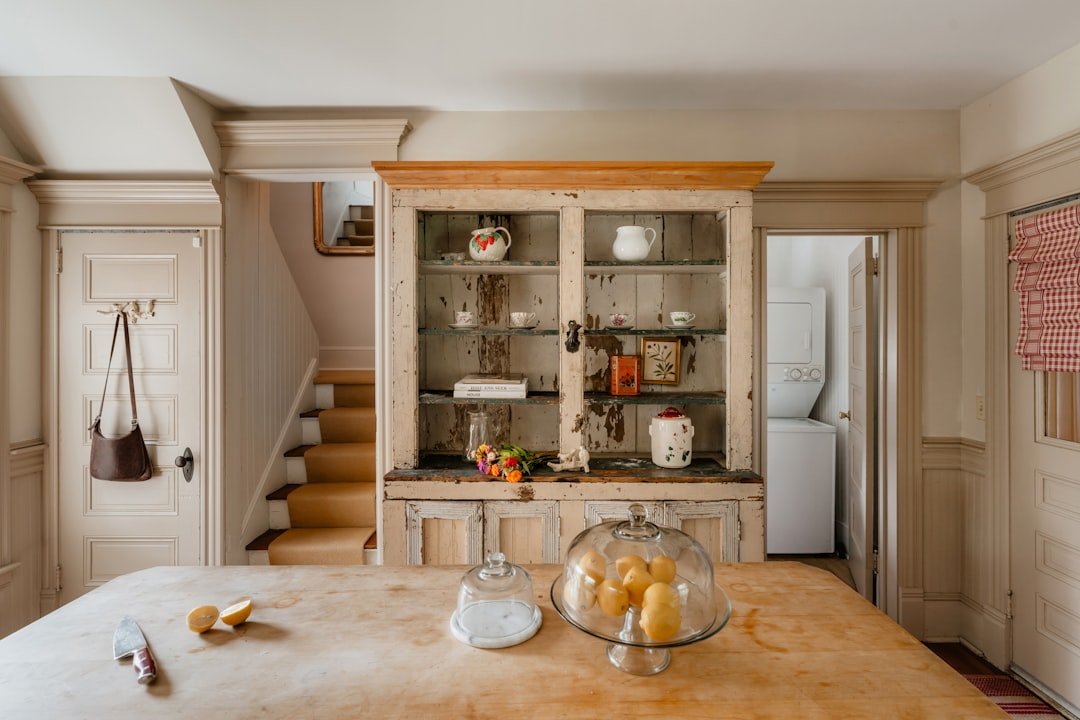
Farmhouse Charm: DIY Steps You’ll Love
Farmhouse Charm: DIY Steps You’ll Love offers a clearer, more practical take on farmhouse decor so readers can make the next move with less confusion and more.
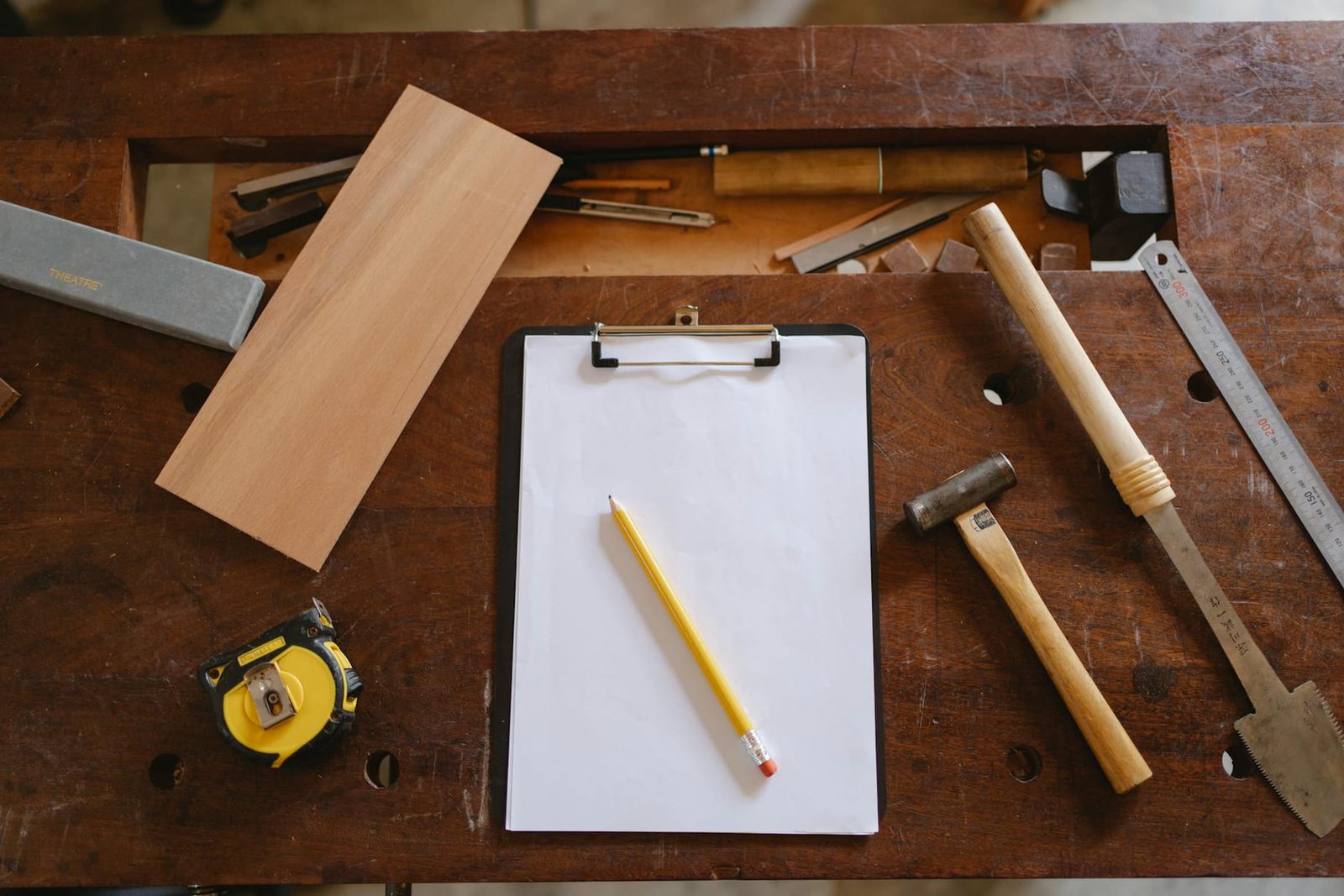
Farmhouse Charm: Easy DIY for Your Home
Bringing the Farmhouse Feel: Simple DIYs for Your Home Let’s be honest - we’re not aiming for a full-blown barn. Farmhouse decor is really about creating a space.
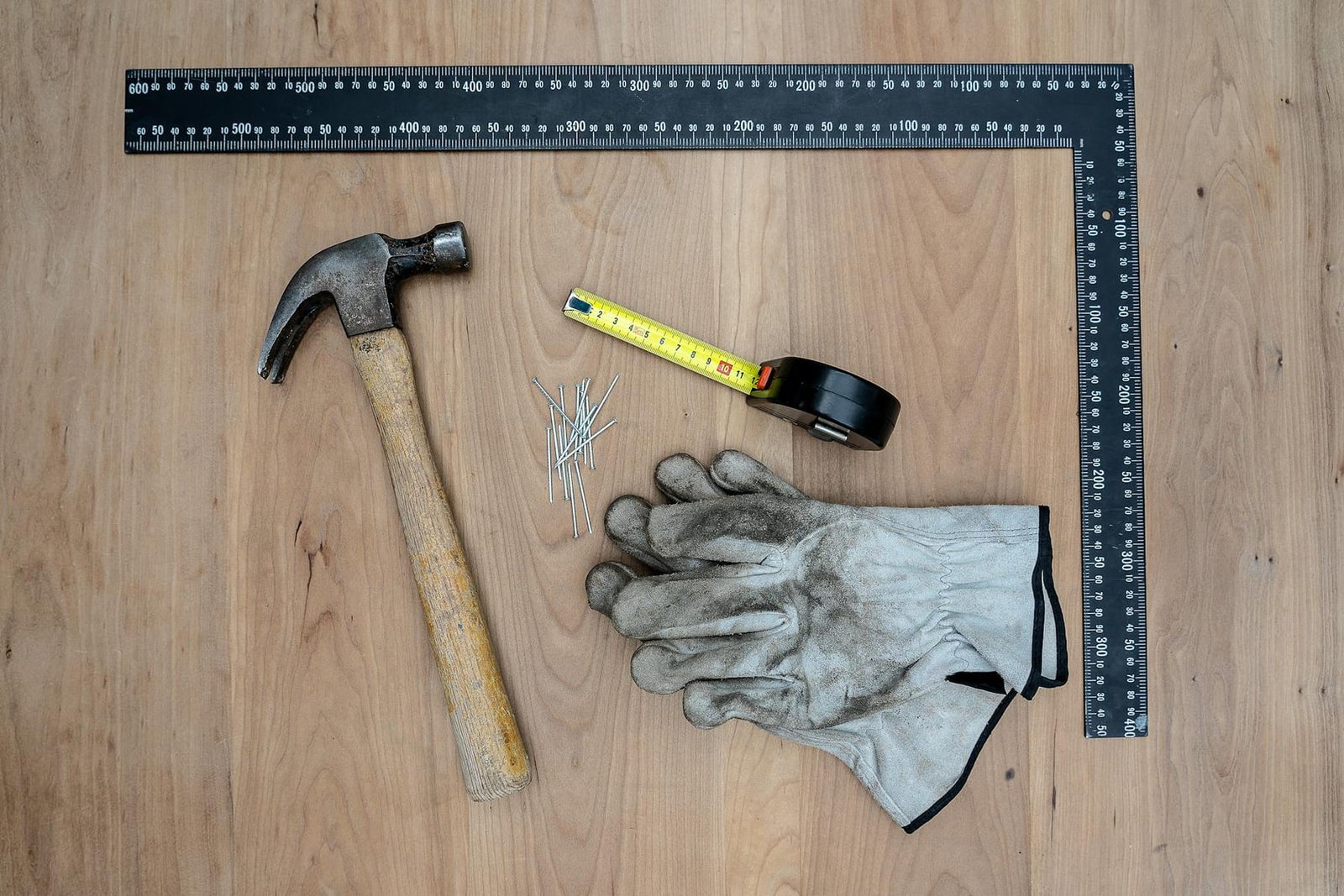
Farmhouse Vibes: Your DIY Checklist
isn’t about buying a bunch of cheap, trendy stuff and slapping it on walls. It’s about building a home that feels solid, honest, and genuinely lived-in. A house.