1. Skipping the Planning Stage (Mistakes to)
- Define Your Goals: What do you *really* want to achieve? Is it to brighten a dark room, update a dated kitchen, or simply create a more cohesive look?
- Set a Realistic Budget: Be honest with yourself about what you can afford. Factor in not just the cost of materials, but also tools (you might need to borrow or rent some), and potential unexpected expenses (always add a 10-15% buffer!).
- Create a Mood Board: Gather inspiration from magazines, Pinterest, and Instagram. This will help you visualize the final result and ensure that all your upgrades work together harmoniously.
- Prioritize: Identify the most impactful upgrades that will make the biggest difference within your budget. Start with those.
Example: Let’s say you want to refresh your living room. Instead of buying every new accessory you see, start by focusing on a fresh coat of paint and new throw pillows - a much more affordable and effective way to transform the space than replacing the entire sofa.
2. Underestimating the Cost of Materials
It’s incredibly easy to get caught up in the excitement of a project and underestimate the cost of materials. That “bargain” paint might look great on the shelf, but the quality is often subpar, and you’ll likely need more than you initially thought. Here’s how to avoid this pitfall:
- Research Prices: Compare prices at different stores - both online and in-person.
- Factor in Waste: When buying paint, lumber, or flooring, always add extra for waste and mistakes.
- Don’t Forget the Small Details: Hardware (knobs, pulls, hinges), caulk, and grout can add up quickly.
- Consider DIY vs. Professional: While DIY can save money, be realistic about your skills and time. Sometimes, hiring a professional is more cost-effective in the long run, especially for complex projects.
Example: You’re planning to replace your kitchen cabinet hardware. A single set of knobs and pulls can easily cost $50-$100. If you’re replacing hardware on all your cabinets, that’s a significant expense. Doing your research and comparing prices will help you stay within budget.
3. Ignoring the Prep Work
This is where many DIY projects go wrong. Proper preparation is crucial for a professional-looking finish. Rushing through the prep work will almost always result in subpar results and extra work down the line. Here are some key prep steps:
- Cleaning: Thoroughly clean surfaces before painting or applying any new finishes.
- Patching: Repair any cracks or holes in walls or ceilings.
- Sanding: Sand rough surfaces to create a smooth base for paint or other finishes.
- Masking: Protect areas you don’t want to paint with masking tape and drop cloths.
Example: Painting a room without properly sanding the walls will result in a rough, uneven finish. Taking the time to sand will ensure a smooth, professional-looking paint job.
4. Choosing the Wrong Tools
Investing in the right tools can make a huge difference in the quality of your work and the speed of your project. Don’t feel like you need to buy every tool on the market, but do invest in a few essential tools that will make your life easier.
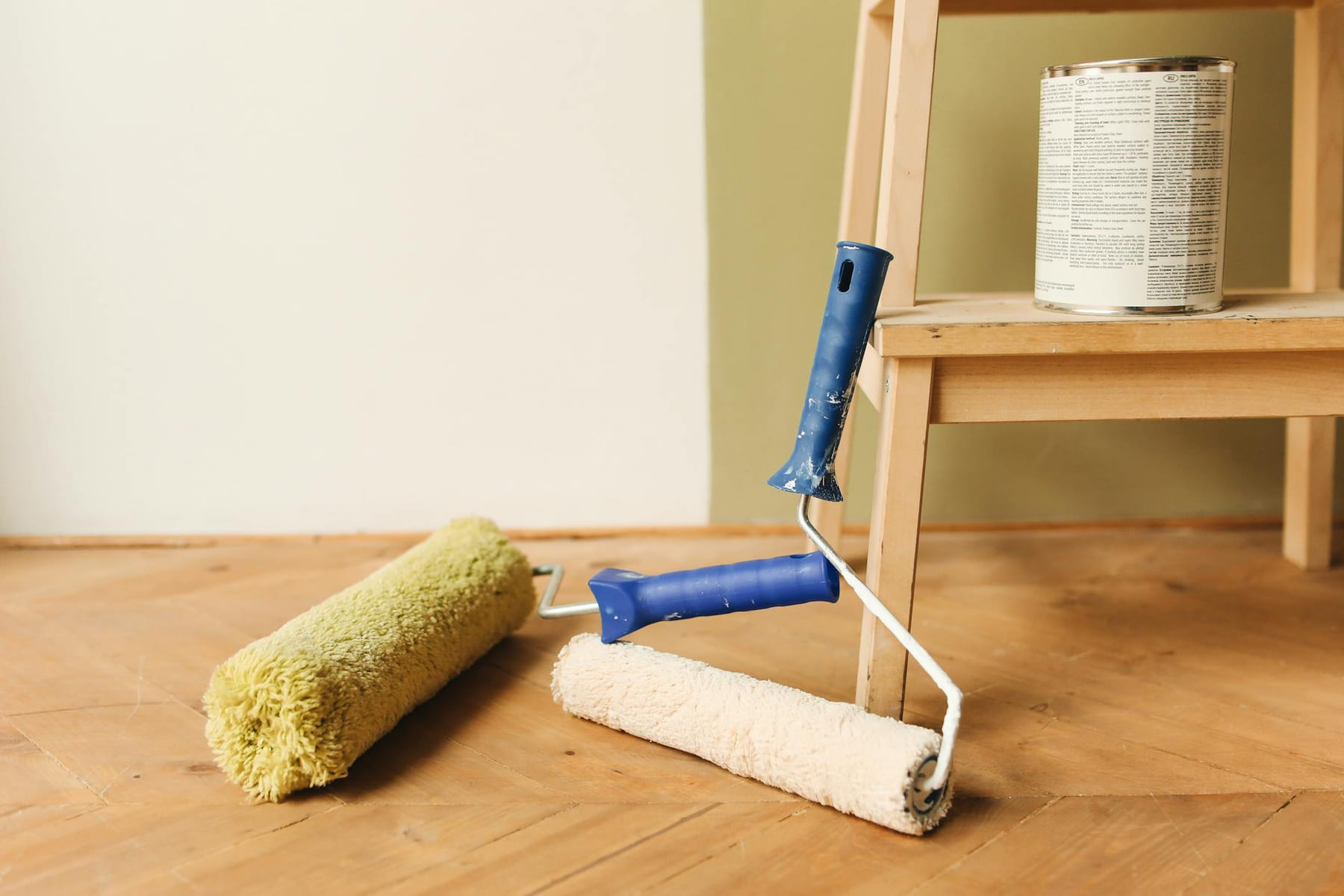
- Quality Paint Brushes and Rollers: Cheap brushes will shed bristles and leave streaks.
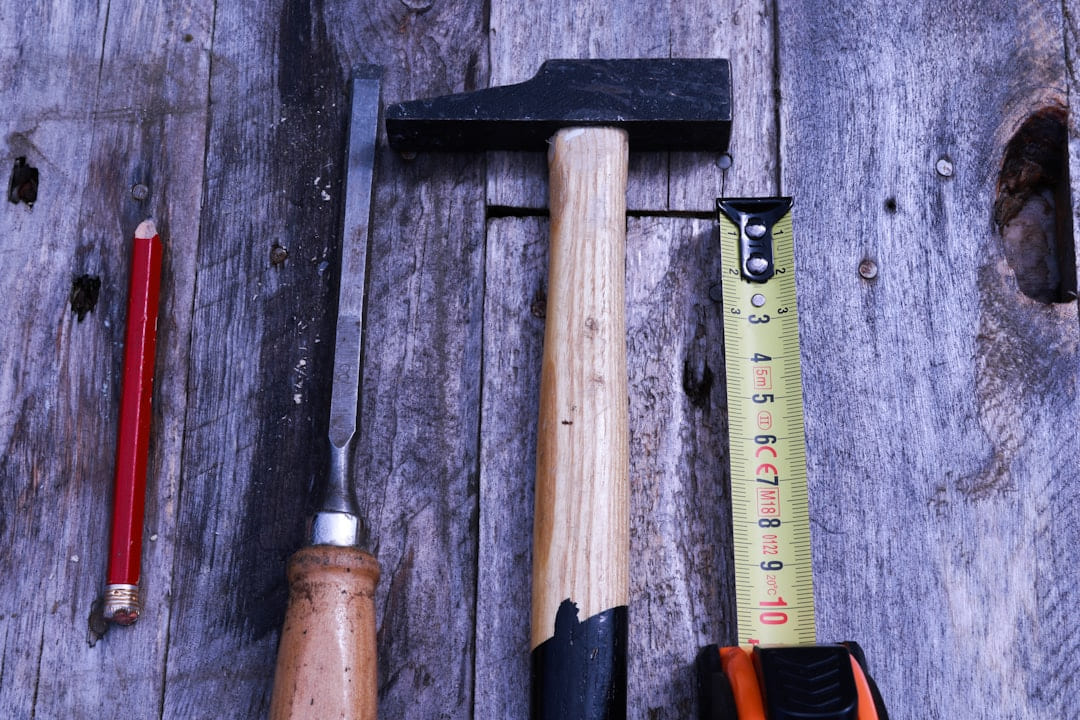
- Measuring Tape and Level: Accuracy is key!
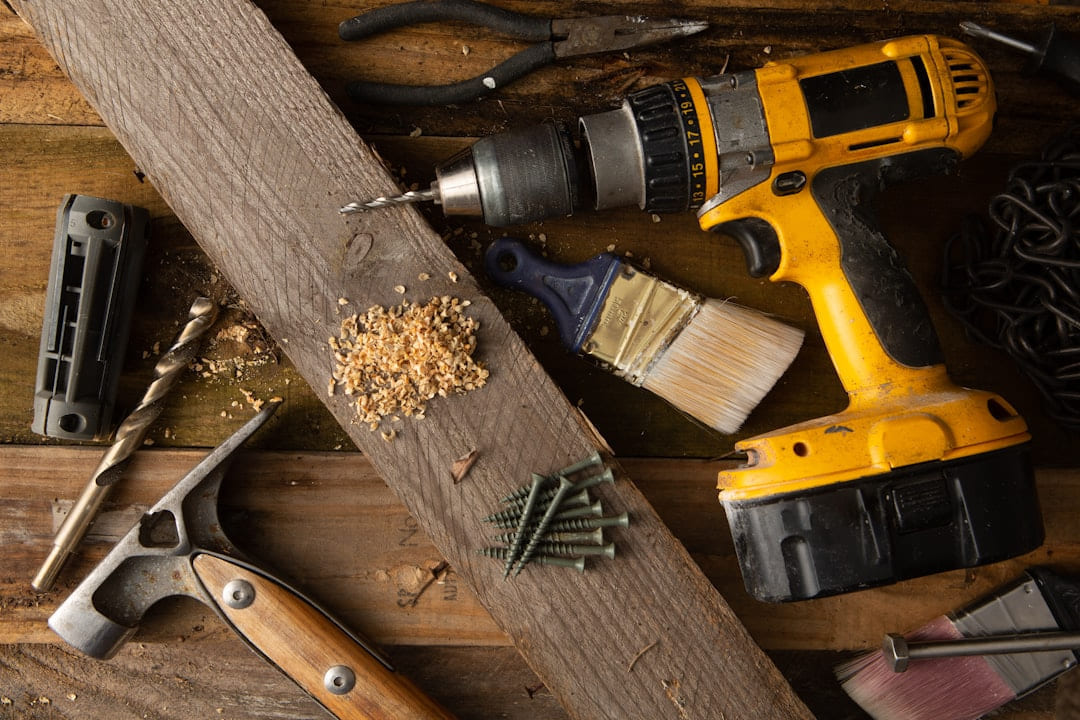
- Screwdrivers and Drill/Driver: Essential for any DIY project.
- Safety Gear: Always wear safety glasses, gloves, and a dust mask when working on home improvement projects.
Example: Using a flimsy screwdriver to assemble furniture will likely strip the screws and damage the furniture. Investing in a good quality screwdriver will save you time and frustration.
5. Not Accounting for Time
DIY projects often take longer than you anticipate. Don’t underestimate the amount of time required to complete a project, especially if you’re a beginner. Factor in time for prep work, execution, and cleanup. Trying to rush through a project will likely lead to mistakes and frustration.
Example: Painting a small room can easily take 8-12 hours, including prep work and cleanup. Don’t schedule it for a weekend evening if you have a busy week ahead.
Pick the easiest win first
Most people get better results with Budget Upgrades: Common Mistakes to Dodge when they narrow the decision to one real problem. That could be saving time, trimming cost, reducing friction, or making the routine easier to keep up.
This usually gets easier once you make a short list of priorities. A tighter list tends to produce better decisions than trying to solve every possible problem at once.
Another useful filter is asking what you would still recommend if the budget got tighter, the schedule got busier, or the setup had to be easier for someone else to manage. The answers to that question usually reveal which advice is durable and which advice only works under ideal conditions.
The tradeoff most people notice late
One common mistake with Budget Upgrades: Common Mistakes to Dodge is expecting every option to solve the whole problem. In reality, some choices are better for convenience, some for reliability, and some simply for keeping the budget under control.
Before spending more, it is worth checking the setup, upkeep, and learning curve. Small hassles matter here because they are usually what decide whether something stays useful or gets ignored.
It is easy to underestimate how much clarity comes from removing one unnecessary layer. In practice, trimming one complication often does more for Budget Upgrades: Common Mistakes to Dodge than adding one more feature, one more product, or one more clever workaround.
What makes this easier to live with
The options that age well are usually the ones that are easy to repeat. Reliability and low hassle often matter more than the most impressive-looking feature list.
In a topic like Home improvement, manageable almost always beats impressive. If something is simple enough to keep using, it is usually doing more real work for you.
Readers usually get better results when they treat advice as something to test and refine, not something to obey perfectly. That mindset creates room for real judgment, which is often the difference between content that sounds smart and guidance that is actually useful.
How to avoid extra hassle
When you are deciding what to do next, aim for the option that reduces friction and gives you a clearer read on what matters most. That is usually how Budget Upgrades: Common Mistakes to Dodge becomes more useful instead of more complicated.
Leave a little room to adjust as you go. A setup that works in one budget range, season, or routine might need a small change later, and that is usually normal rather than a sign you got it wrong.
If this topic still feels crowded or overcomplicated, that is usually a sign to narrow the decision, not a sign that you need more noise. One careful adjustment, followed by honest observation, tends to teach more than another round of abstract tips.
Keep This Practical
The best DIY upgrades are the ones you will still appreciate six months from now. Prioritize the project that improves function first, then let style follow with less guesswork.
Tools Worth A Look
If you are moving from ideas to an actual home project, the products below are the closest practical fit.
- HomeHacks 2 Pack Large Laundry Baskets, Waterproof, Freestanding Laundry Hampers, Collapsible Clothes HamperHOTO Electric Screwdriver Kit, Upgraded 1/4'' Hex 25 Bits, Magnetic Lid, RechargeableRobinair 15800 VacuMaster Economy Vacuum PumpRing Battery Doorbell Plus, Home or business security, Head-to-Toe HD+ Video, motion detection & alerts, and Two-Way TalkLEVOIT Air Purifiers for Bedroom Home Dorm, AHAM VERIFIED, 3-in-1 Filter Cleaner With Aroma Pad, Filters Smoke, Allergens, Pet Dander
Some of the links on this page are Amazon affiliate links, which means I may earn a small commission if you make a purchase through them. As an Amazon Associate, I earn from qualifying purchases.
Related ReadingMore from Hammer & Home
Small Changes, Big Impact: Budget Upgrades FAQs
is easier to make sense of when you break it down into the part that matters most first. Instead of chasing every option at once, it usually helps to focus on what.

Small Changes, Big Impact
Phase 1: The Low-Hanging Fruit - Under $100 (Big Impact)
Budget Home Updates: Your FAQ Answers
The options that age well are usually the ones that are easy to repeat. Reliability and low hassle often matter more than the most impressive-looking feature list.