Home Improvement can be easier to approach when you start with a few practical basics.
- Kitchen and Bathroom Updates: These spaces tend to have the biggest impact on your home’s value and your daily enjoyment. Small updates - like replacing cabinet hardware or swapping out a faucet - can make a huge difference.
- Energy Efficiency: Investing in energy-saving measures now will pay off in lower utility bills down the road. This is a longer-term investment, but one that’s increasingly important. We use a simple ROI (Return on Investment) scoring system to help us prioritize. We roughly categorize projects as “Quick Wins” - things that can be done relatively cheaply and offer an immediate impact - and “Long-Term Investments” - projects that require more significant investment but will provide a greater return over time.
Budgeting Basics - Know Where Your Money’s Going (Home Improvement)
- Materials: This is usually the biggest chunk of your budget. Factor in the cost of paint, flooring, tiles, hardware, lumber, and any other supplies you’ll need.
- Tools: You might already own some tools, but you’ll likely need to purchase or rent others. Don’t underestimate this cost.
- Labor: If you’re hiring a professional for any part of the project (and sometimes it’s worth it, even for small jobs), get quotes from multiple contractors.
- Permits: Depending on the scope of your project, you may need to obtain building permits. Check with your local municipality for requirements. A good rule of thumb is to build in a 10-15% contingency fund for unexpected costs. Trust me, something will come up - a hidden water damage, a slightly more expensive material than you anticipated. Apps like “HomeBudget” and “Spendee” can help you track your expenses and stay on target. They’re surprisingly easy to use.
DIY Delights - Low-Cost Transformations
Now for the fun part! There are tons of home improvement projects you can tackle yourself, saving you a significant amount of money. Here are a few ideas to get you started:
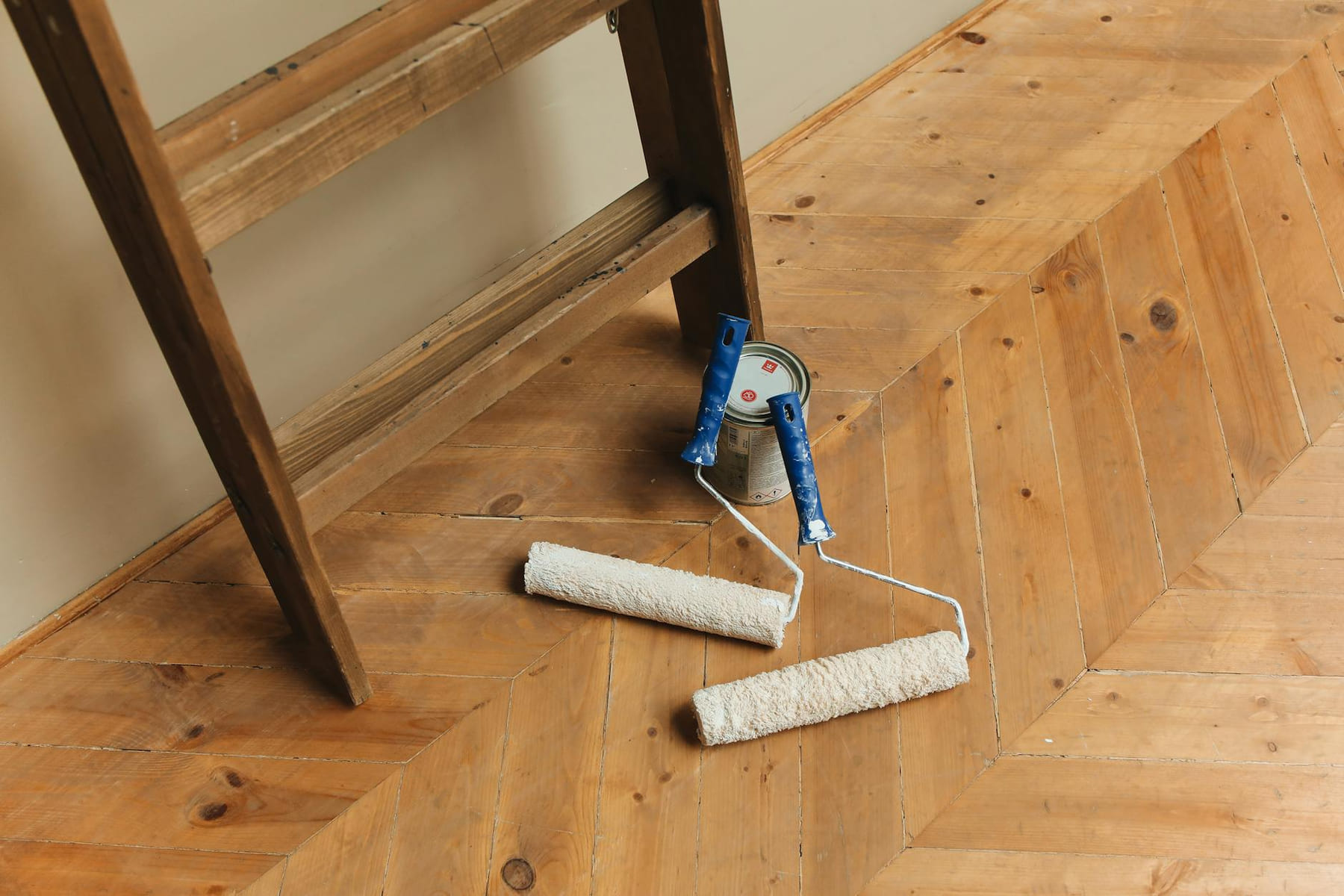
- Painting: A fresh coat of paint can completely transform a room. You’ll need paint, rollers, brushes, tape, and drop cloths - budget around $50-$150 for a small room.
- Updating Hardware: Swapping out old cabinet knobs and drawer pulls in the kitchen or bathroom is a surprisingly impactful and inexpensive update. $20 - $80.
- Simple Shelving: Build your own shelving unit using lumber and brackets. You can find plenty of DIY tutorials online. $30 - $100.
- Landscaping Refresh: Add some color and curb appeal with inexpensive plants and mulch. $40 - $120.
- Minor Repairs: Learn to fix that leaky faucet or patch up drywall. These small repairs can prevent bigger problems down the road. $10 - $50.
- Upcycled Furniture: Give an old piece of furniture a new lease on life with a fresh coat of paint and new hardware. $0 - $50 (depending on the furniture you find). Seriously, an old dresser can look fantastic with a little TLC.
Smart Material Choices - Making the Most of Your Budget
The materials you choose can have a big impact on your project’s cost. Here are a few tips:
- Reclaimed Wood: Sourcing reclaimed wood is a fantastic way to save money and add character to your home. Check local salvage yards and online marketplaces.
- Budget-Friendly Paint: Don't automatically assume that the most expensive paint is the best. There are many excellent quality paints available at lower price points. Look for sales and consider buying in bulk.
- DIY Tile Alternatives: If you want the look of tile without the cost, consider using peel-and-stick tile or decorative paper.
- Upcycled Furniture: As we mentioned before, transforming old furniture is a great way to save money and be sustainable.
Energy Efficiency - Small Changes, Big Savings
Reducing your energy consumption is not only good for the environment, but it also saves you money on your utility bills. Here are a few simple and affordable ways to improve your home’s energy efficiency:
- LED Lighting: Switching to LED bulbs is one of the easiest and most cost-effective ways to save energy. They use up to 75% less energy than incandescent bulbs and last much longer.
- Weather Stripping & Draft-Proofing: Seal any cracks or gaps around windows and doors to prevent drafts. Weather stripping and caulk are inexpensive and easy to install.
- 2026 Rebates & Incentives: Keep an eye out for local and national rebates and incentives for energy-efficient upgrades. Many utility companies offer rebates on LED lighting, insulation, and other energy-saving measures. (Check your local utility’s website for current programs).
Pick the easiest win first
Most people get better results with Budget-Friendly Home Improvement Ideas when they narrow the decision to one real problem. That could be saving time, trimming cost, reducing friction, or making the routine easier to keep up.
This usually gets easier once you make a short list of priorities. A tighter list tends to produce better decisions than trying to solve every possible problem at once.
Another useful filter is asking what you would still recommend if the budget got tighter, the schedule got busier, or the setup had to be easier for someone else to manage. The answers to that question usually reveal which advice is durable and which advice only works under ideal conditions.
The tradeoff most people notice late
One common mistake with Budget-Friendly Home Improvement Ideas is expecting every option to solve the whole problem. In reality, some choices are better for convenience, some for reliability, and some simply for keeping the budget under control.
Before spending more, it is worth checking the setup, upkeep, and learning curve. Small hassles matter here because they are usually what decide whether something stays useful or gets ignored.
It is easy to underestimate how much clarity comes from removing one unnecessary layer. In practice, trimming one complication often does more for Budget-Friendly Home Improvement Ideas than adding one more feature, one more product, or one more clever workaround.
What makes this easier to live with
The options that age well are usually the ones that are easy to repeat. Reliability and low hassle often matter more than the most impressive-looking feature list.
In a topic like Home improvement, manageable almost always beats impressive. If something is simple enough to keep using, it is usually doing more real work for you.
Readers usually get better results when they treat advice as something to test and refine, not something to obey perfectly. That mindset creates room for real judgment, which is often the difference between content that sounds smart and guidance that is actually useful.
Keep This Practical
Home projects get more satisfying when the next step is realistic for your budget, time, and skill level. Choose one improvement you can finish cleanly instead of starting three at once.
Tools Worth A Look
The picks here are meant to support useful home improvements, not just impulse project shopping.
- Dual Shower Heads Shower System with 16" Ceiling Mounted Rain Shower Head and 6" Wall Mounted Head14.7inch Under Cabinet Lighting with 3 Color TempsKingTool 325 Piece Home Repair Tool Kit, General Home/Auto Repair Tool Set, Toolbox Storage Case with Drawer, General Household Tool KitElizabeth Mott Thank Me Later Color Correcting Face PrimerALORAIR Air Scrubber Professional 3-Stage Filtration Negative Machine Air Purifier
Some of the links on this page are Amazon affiliate links, which means I may earn a small commission if you make a purchase through them. As an Amazon Associate, I earn from qualifying purchases.
Related ReadingMore from Hammer & Home
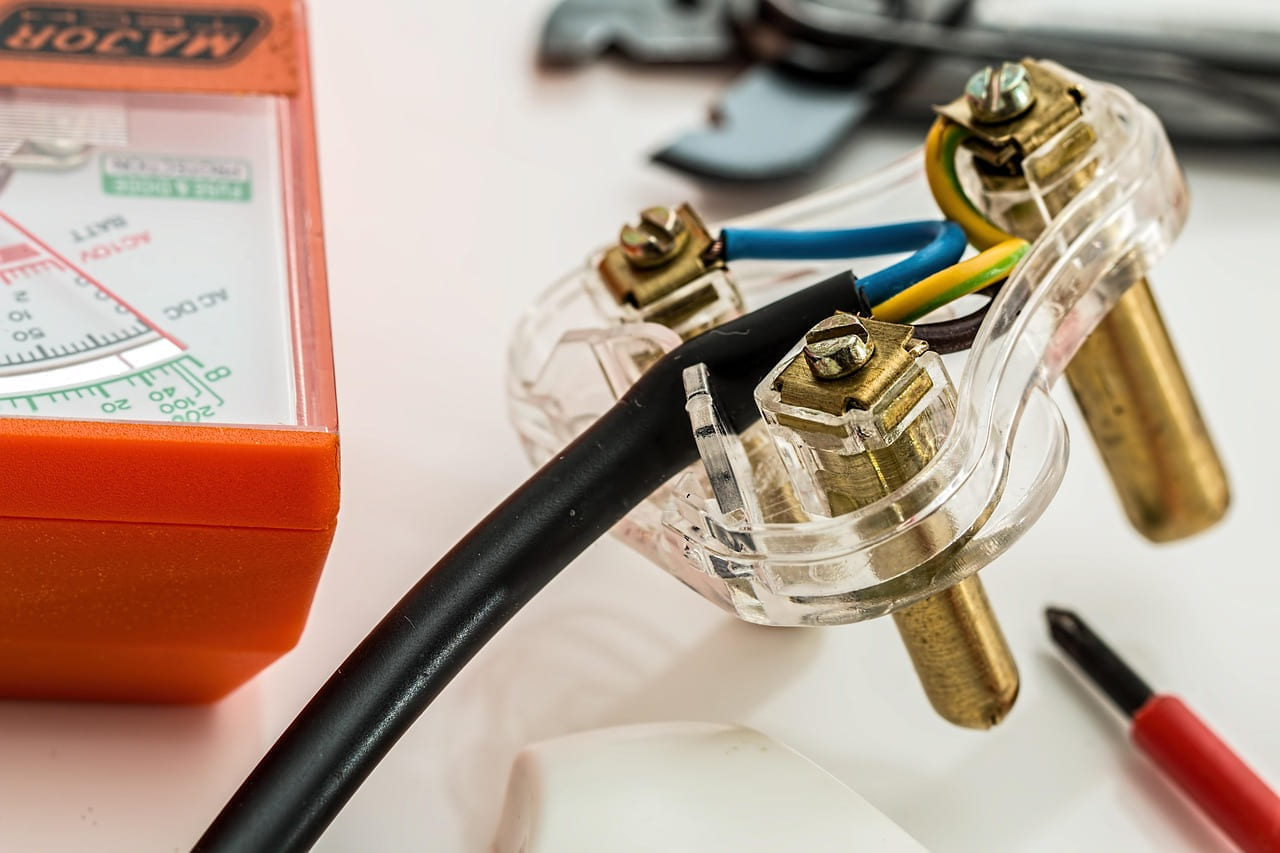
Home Improvement Checklist: Your Project Prep
is easier to make sense of when you break it down into the part that matters most first. Instead of chasing every option at once, it usually helps to focus on what.
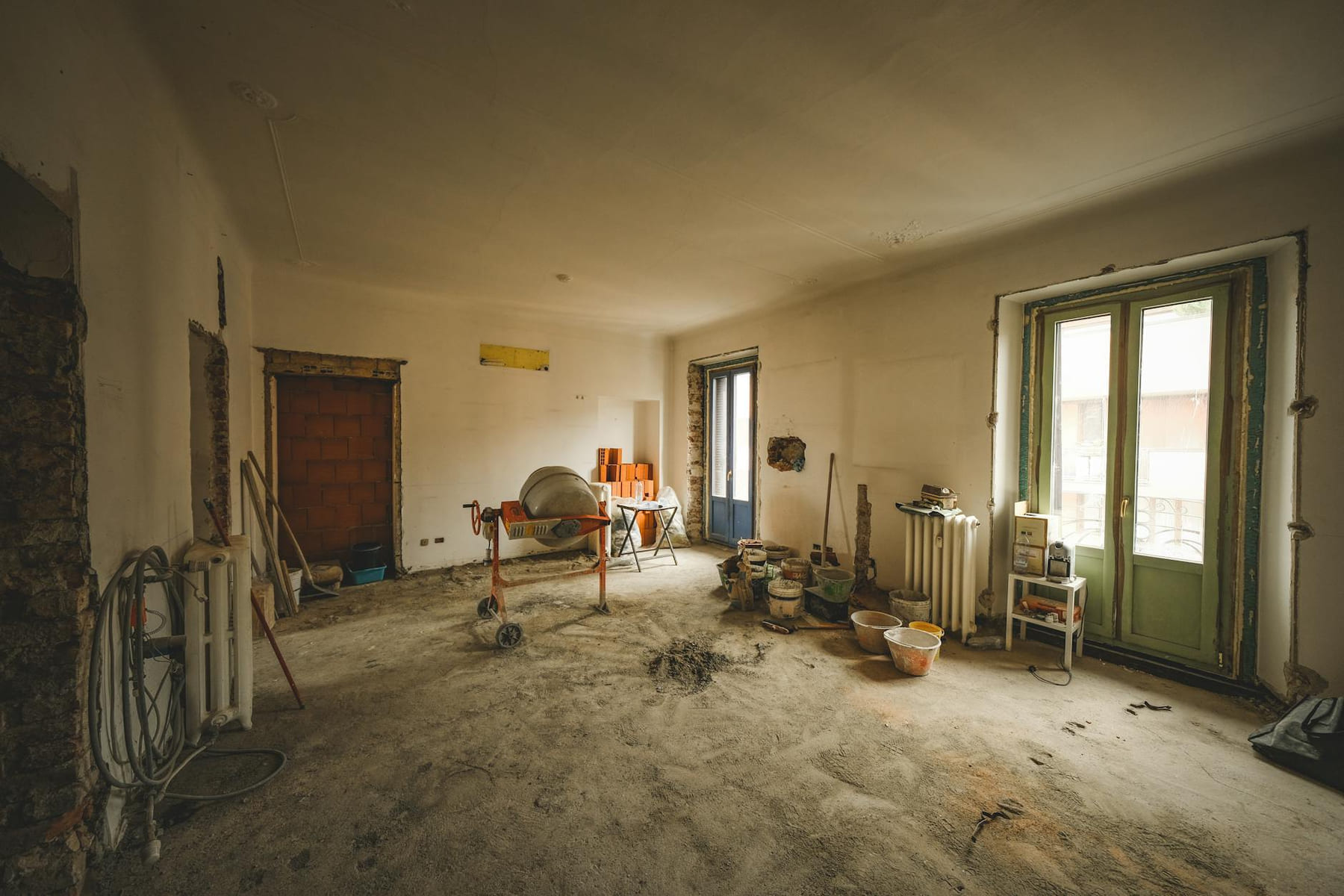
Home Improvement Tips for a Better Space
is easier to make sense of when you break it down into the part that matters most first. Instead of chasing every option at once, it usually helps to focus on what.
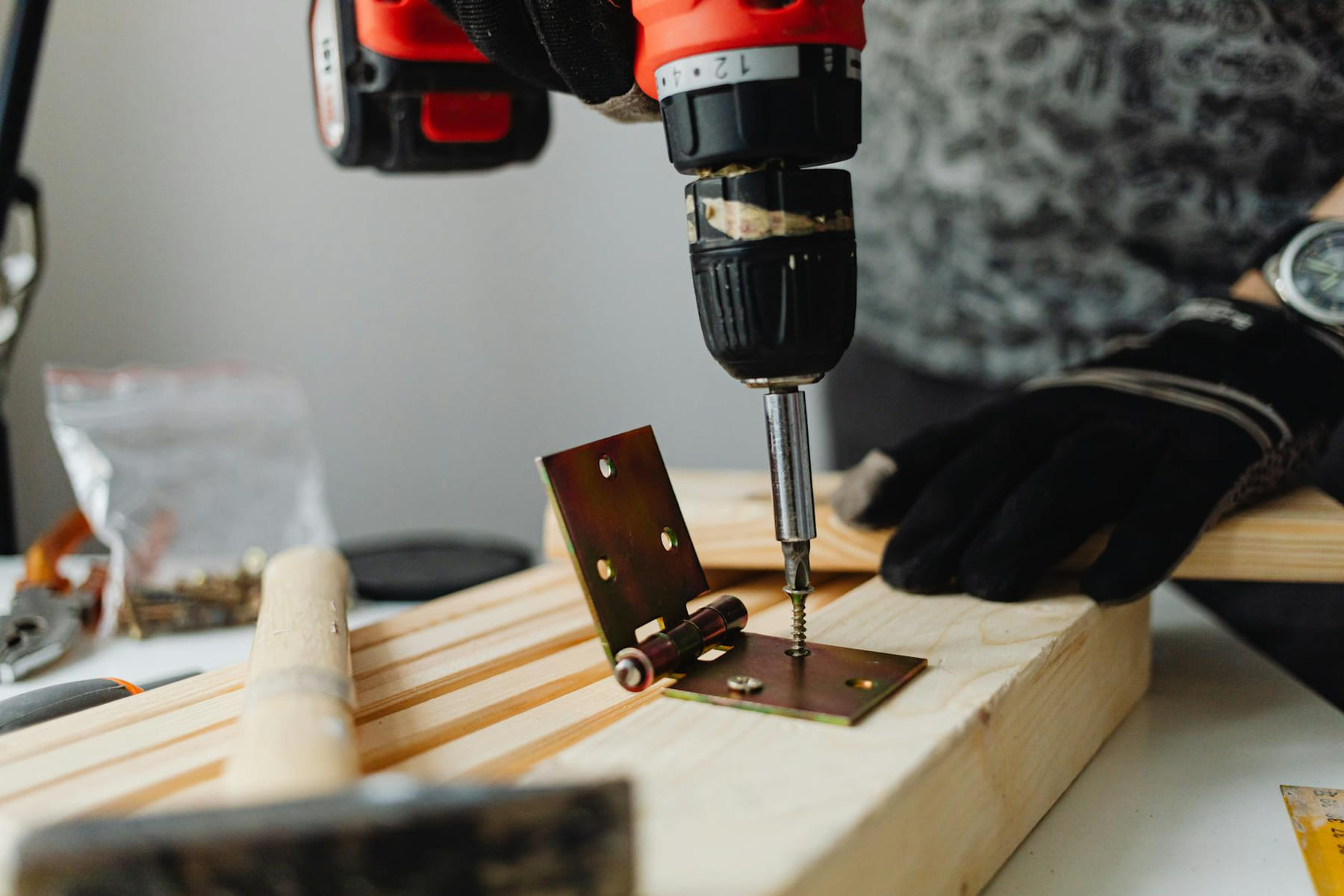
Budget Home Fixes That Really Work
Level Up Your Home Without Leveling Your Bank Account It’s 2026, and let’s be honest - wanting a home that feels a little more comfortable and stylish can.