Time & Skill: What Are You Really Up For?
- DIY Time Estimates: Painting (1-2 days), Vanity Hardware (30-60 minutes), Lighting (1-4 hours), Showerhead/Faucet (30-90 minutes), Mirrors/Towel Racks (1-2 hours), Accent Tiling (4-8 hours).
- Professional Timeline: Design (2-4 weeks), Construction (2-6 weeks - this can fluctuate greatly depending on the complexity of the project). Let’s be honest - not everyone is a natural handyman or woman. Plumbing and electrical work require specialized skills and knowledge. If you’re not comfortable tackling these tasks yourself, it’s always best to hire a professional. It’s not worth risking your safety or causing costly damage.
The Professional Advantage
It’s tempting to save money by doing it yourself, but there are some real advantages to hiring a professional bathroom remodeling contractor. They bring expertise, warranties on their work, and can handle the often-complex permitting process. They also have the tools and experience to complete the job efficiently and to a high standard. Of course, this comes at a cost, but a well-chosen contractor can save you time, stress, and potentially money in the long run by avoiding mistakes. Take the time to research contractors - check references, read online reviews, and get multiple bids before making a decision.
Making the Right Choice
in practice, the decision of whether to DIY or hire a professional depends on your individual circumstances. If you’re on a tight budget, comfortable with a bit of DIY, and have the time, tackling some smaller upgrades yourself can be a rewarding experience. but if you’re short on time, lack the necessary skills, or simply don’t want to deal with the hassle, hiring a professional is a smart investment. Carefully assess your budget, your skills, and your time commitment, and you’ll be well on your way to a beautiful, updated bathroom.
Focus on the part that solves the problem
In a topic like Home improvement, the strongest starting point is usually the one you will notice and use right away. That is often more helpful than adding extra features too early.
Before spending more, it is worth checking the setup, upkeep, and learning curve. Small hassles matter here because they are usually what decide whether something stays useful or gets ignored.
It is easy to underestimate how much clarity comes from removing one unnecessary layer. In practice, trimming one complication often does more for Bathroom Boosts: DIY or Done For You? than adding one more feature, one more product, or one more clever workaround.
Where extra features get in the way
Another easy trap is copying a setup that made sense for someone with a different routine, budget, or tolerance for maintenance. In Home improvement, that mismatch is often what makes a promising idea feel frustrating later.
A lot of options sound great until you picture them in a normal week. If the setup is fussy, the routine is easy to forget, or the maintenance is annoying, the appeal fades quickly.
There is also value in keeping one part of the process deliberately simple. Readers often do better when they identify the one decision that carries the most weight and make that choice carefully before they chase smaller optimizations. That keeps momentum steady and usually prevents the topic from turning into clutter.
What makes the choice hold up
A better approach is to break Bathroom Boosts: DIY or Done For You? into smaller decisions and solve the highest-friction part first. Testing one practical change usually teaches more than trying to perfect everything in a single pass.
Leave a little room to adjust as you go. A setup that works in one budget range, season, or routine might need a small change later, and that is usually normal rather than a sign you got it wrong.
If this topic still feels crowded or overcomplicated, that is usually a sign to narrow the decision, not a sign that you need more noise. One careful adjustment, followed by honest observation, tends to teach more than another round of abstract tips.
How to keep the routine manageable
A grounded next step is usually better than a dramatic one. Pick one realistic change, see how it works in normal life, and let that result guide the next decision.
The version that holds up best is usually the one you can live with on an ordinary day. That often matters more than the version that only feels good when you have extra time, energy, or money.
That is why the best next step is often a modest one with a clear upside. You want something specific enough to act on, flexible enough to adjust, and practical enough that you would still recommend it after the first burst of enthusiasm fades.
What matters more than the sales pitch
Another useful filter is asking what you would still recommend if the budget got tighter, the schedule got busier, or the setup had to be easier for someone else to manage. The answers to that question usually reveal which advice is durable and which advice only works under ideal conditions.
If you want Bathroom Boosts: DIY or Done For You? to hold up over time, choose the version you can actually maintain. That can mean spending less, leaving out an attractive extra, or simplifying the setup so it fits ordinary life.
You do not need the flashiest answer here. You need the one that fits your space, budget, and routine well enough that you will still feel good about it after the first week.
A practical way to move forward
Readers usually get better results when they treat advice as something to test and refine, not something to obey perfectly. That mindset creates room for real judgment, which is often the difference between content that sounds smart and guidance that is actually useful.
When you are deciding what to do next, aim for the option that reduces friction and gives you a clearer read on what matters most. That is usually how Bathroom Boosts: DIY or Done For You? becomes more useful instead of more complicated.
In a topic like Home improvement, manageable almost always beats impressive. If something is simple enough to keep using, it is usually doing more real work for you.
Keep This Practical
The best DIY upgrades are the ones you will still appreciate six months from now. Prioritize the project that improves function first, then let style follow with less guesswork.
Tools Worth A Look
If you are moving from ideas to an actual home project, the products below are the closest practical fit.
- 18 Outlets Surge Protector Power StripWall & Baseboard CleanerSolar Fence Lights Outdoor - 2700/4000/6000K 3 Mode, 8 Pack Solar Fence LightsZELCAN Mag Drill Press with 11 Pcs Bits, 1550W Portable Magnetic Drill PressTuffenough Solar Outdoor Lights 2500LM 210 LED Security Lights with Remote Control,3 Heads Motion Sensor Lights, IP65 Waterproof,270° Wide Angle
Some of the links on this page are Amazon affiliate links, which means I may earn a small commission if you make a purchase through them. As an Amazon Associate, I earn from qualifying purchases.
Related ReadingMore from Hammer & Home
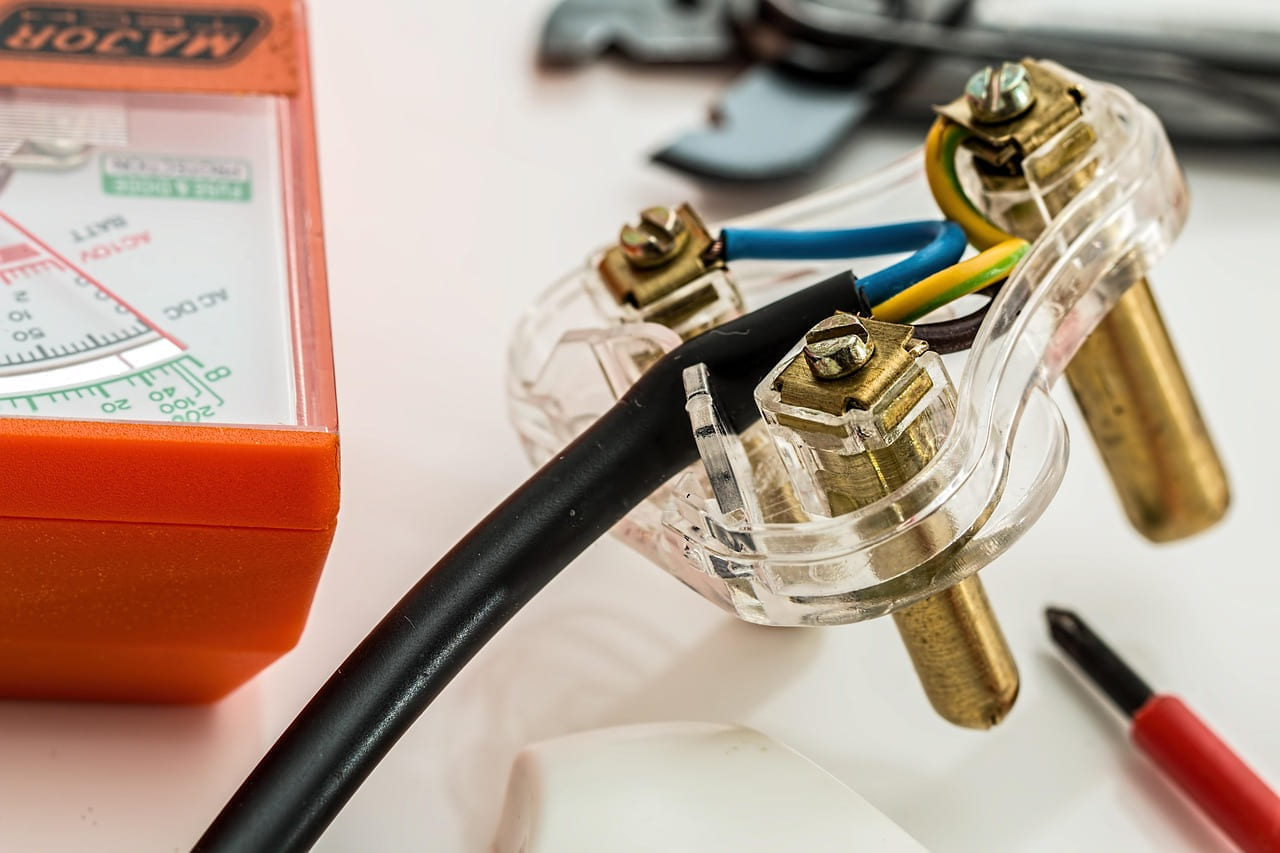
Home Improvement Checklist: Your Project Prep
is easier to make sense of when you break it down into the part that matters most first. Instead of chasing every option at once, it usually helps to focus on what.
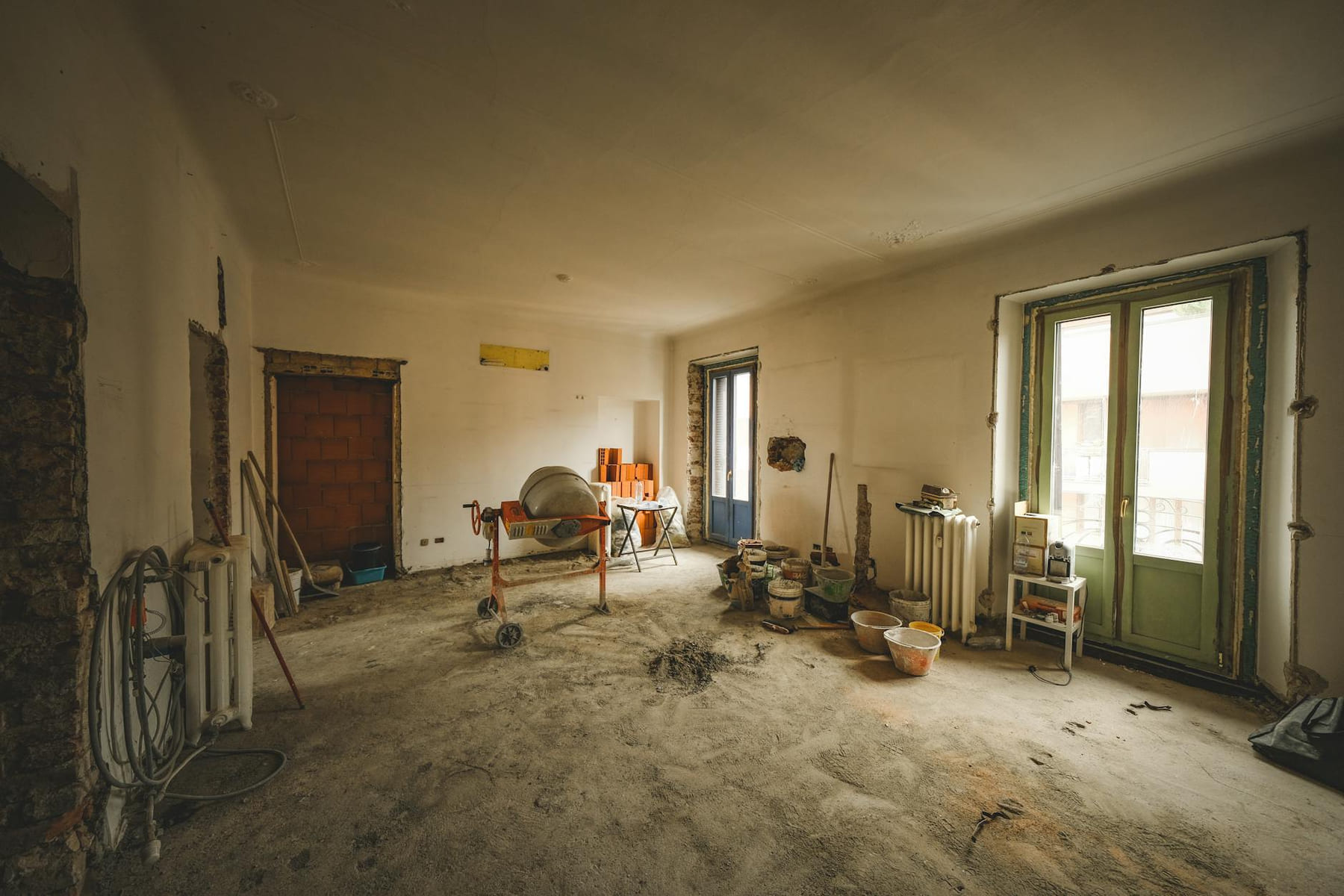
Home Improvement Tips for a Better Space
is easier to make sense of when you break it down into the part that matters most first. Instead of chasing every option at once, it usually helps to focus on what.
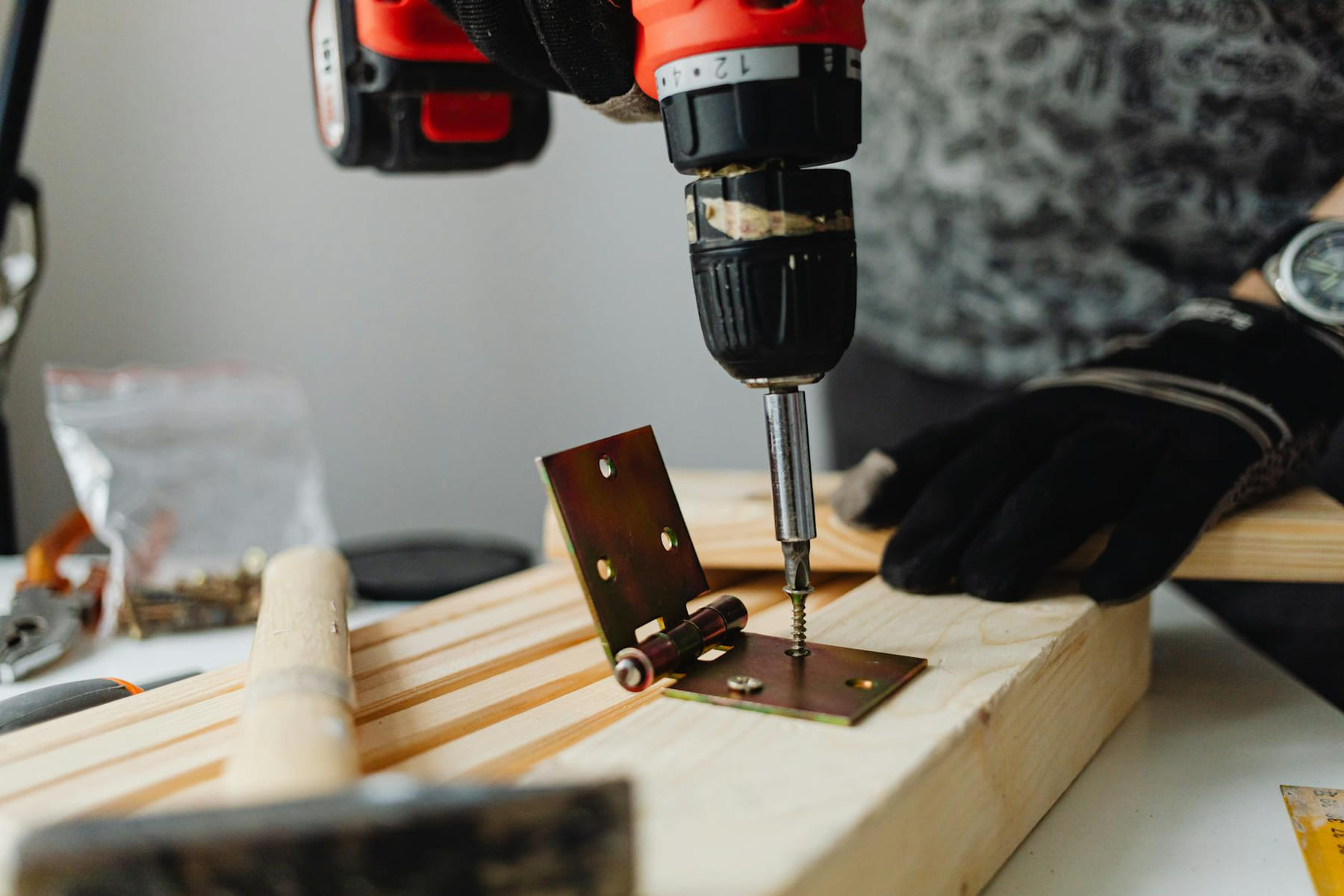
Budget Home Fixes That Really Work
Level Up Your Home Without Leveling Your Bank Account It’s 2026, and let’s be honest - wanting a home that feels a little more comfortable and stylish can.